Skip to content

Manila · Philippines · South East Asia

Distressed Cargo Buyers & Recovery at the Port of Manila

Pommer & Partners evaluates and, where appropriate, purchases distressed, damaged, rejected and off-specification cargo connected with the Port of Manila — agricultural bulk, refrigerated meat and fish, industrial bulk and breakbulk, and container cargo.

Pommer & Partners is a commercial distressed-cargo buyer and recovery specialist. We may purchase cargo as principal using our own capital, or arrange remarketing and other recovery solutions where that is the better commercial route. We are not a tender-management consultant: we take a commercial position on the cargo itself where the case supports it.

Where legally and commercially appropriate, we buy on an AS IS, WHERE IS basis. Where a direct purchase is not appropriate and we agree to pursue remarketing or another recovery route, we generally work on a No Cure, No Pay basis where applicable to the agreed engagement.

No outcome is promised. Not every cargo can be purchased and not every recovery is feasible — condition, documentation, title, authority to sell, veterinary and customs requirements and the markets lawfully available all decide what is possible in a given case.

Pommer & Partners International Trading Limited is registered in Ireland. Manila is described here as a service and recovery market, not as a company location.
Submit a Manila cargo case

Send the commodity, approximate quantity, current location and condition. We revert with realistic commercial options.

Submit a Cargo CaseEmail Pommer & Partners

International desk · 24/7

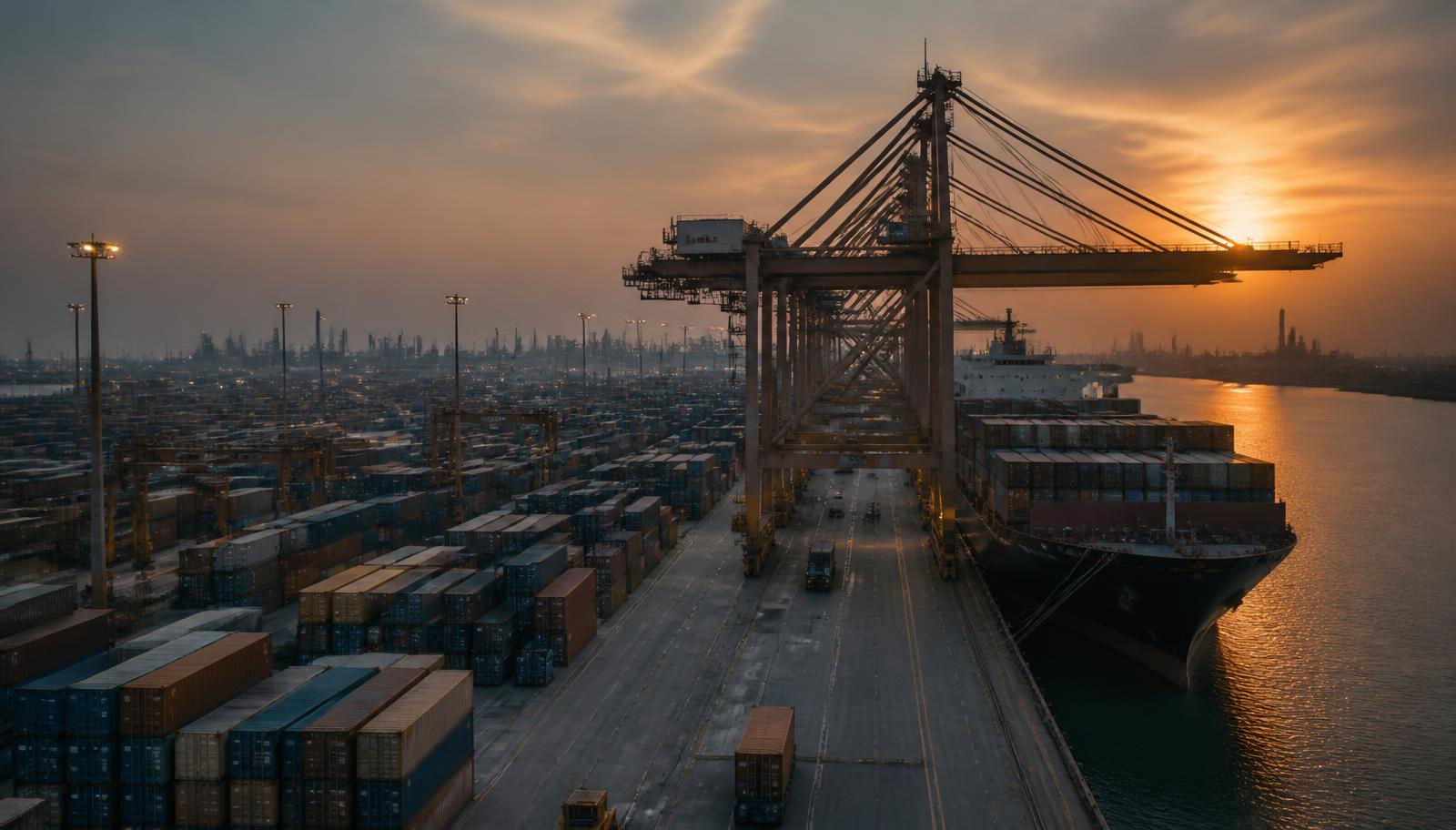
Brand-neutral container terminal with gantry cranes at a major international port

Port of Manila · Context

A Philippine Gateway for Container, Bulk, Breakbulk and Domestic Cargo

Manila is one of the principal maritime gateways of the Philippines. It combines international container operations with dry bulk, breakbulk and general cargo handling and a substantial domestic inter-island trade — it is not a container-only port.

That mix is what produces the cases we are asked to look at: an international parcel and a domestic movement can both go wrong in the same harbour, and each requires a different commercial answer.

Key cargo terminals serving Manila

Manila International Container Terminal (MICT)

ICTSI's flagship operation and Manila's principal international container terminal, focused on international containerised cargo.

Manila South Harbor

An international gateway operated by Asian Terminals Inc. in partnership with DP World, handling containerised and non-containerised cargo, including bulk, breakbulk, general and project cargo.

NorthPort / Manila North Harbor

Manila's principal domestic cargo gateway, serving domestic container traffic as well as multipurpose, RoRo and passenger operations.

Manila Multipurpose Terminal (MMT)

Formerly Manila Harbor Center, this ICTSI-owned facility handles international bulk and breakbulk cargo.

Cargo categories

Cargo We Evaluate in Manila

The categories below are indicative rather than exhaustive, and do not imply that every listed parcel is purchased or that a recovery route exists in every case.

Agricultural bulk cargo

Wheat, soybean meal, corn, rice, sugar and other agricultural commodities.

  • Moisture damage
  • Heating or self-heating
  • Contamination
  • Quality deviations against contract
  • Rejected deliveries
  • Cargo no longer meeting its original contractual specification

The commodities listed are examples of parcels we are asked to look at. They are not a statement that each one is a major Manila import or export: national trade relevance and verified port-specific cargo flows are not the same thing.

Damaged meat, fish & refrigerated cargo

Distressed, damaged or rejected frozen meat, fish and other temperature-sensitive food products.

  • Temperature deviations
  • Interrupted cold chain
  • Reefer or genset failure
  • Packaging damage
  • Water ingress
  • Contamination concerns
  • Rejected deliveries

Any purchase or alternative use depends on the actual condition, temperature history, documentation, veterinary and regulatory status and the lawful markets available. Damaged food is never assumed to be suitable for human consumption, animal feed or any other use.

Industrial bulk & breakbulk

Industrial commodities, raw materials, steel, metals and packaged or breakbulk parcels.

  • Seawater contact
  • Moisture ingress
  • Handling and stevedoring damage
  • Specification problems
  • Partial loss or mixed parcels

Rejected & abandoned container cargo

Commercially recoverable containerised cargo where the original commercial route has broken down.

  • Rejection by the receiver
  • Non-payment
  • Abandonment
  • Accumulating storage and detention costs
  • Documentation problems

Customs requirements, ownership rights, release procedures and other legal restrictions apply in full. Nothing on this page implies that they can be bypassed or shortened.

Related resources: distressed cargo buyer, rejected grain and agricultural bulk cargo, agricultural commodities and feed and abandoned and unclaimed containers.

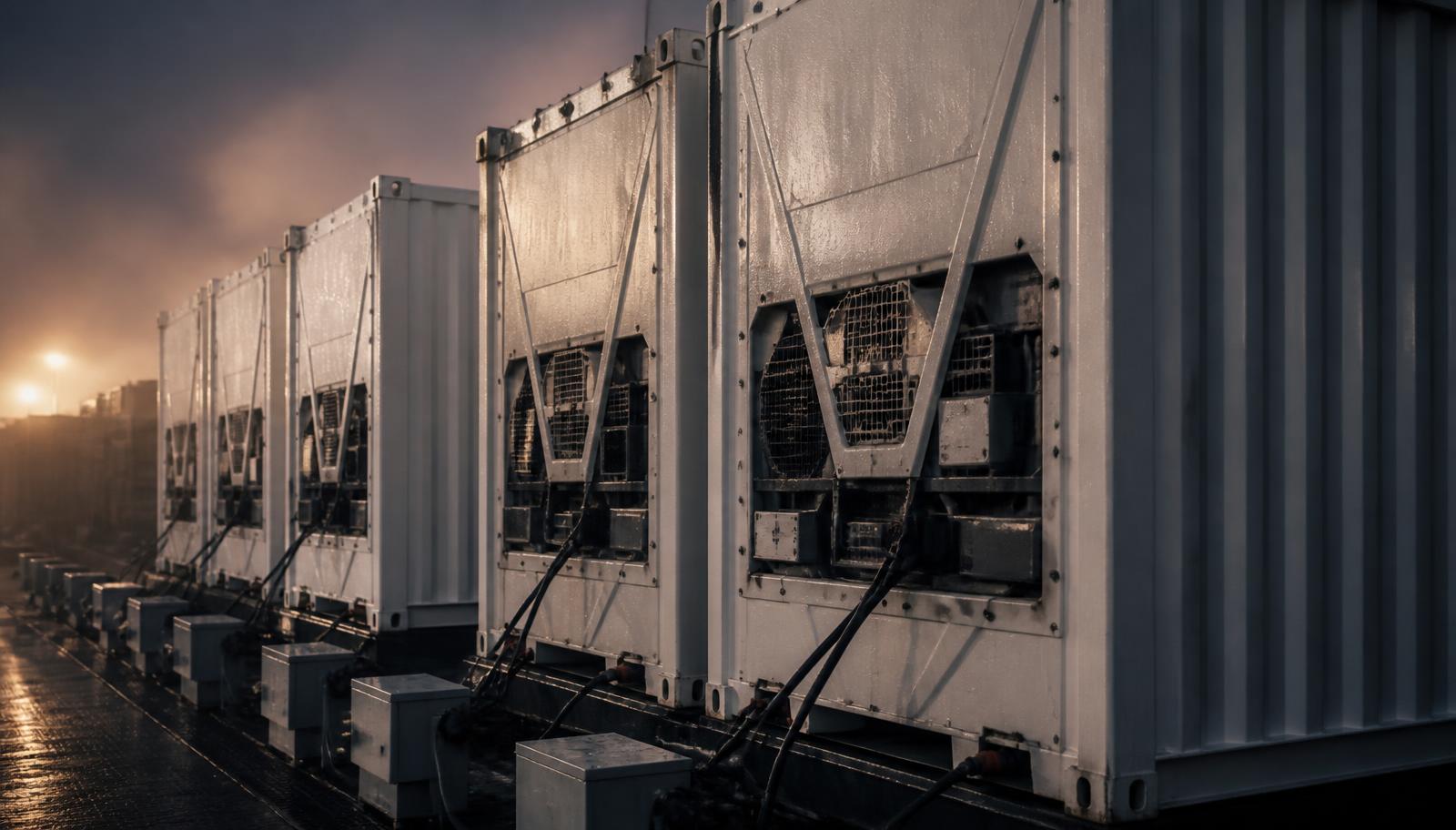
Refrigerated containers stacked on a terminal reefer rack

Illustrative situations

When a Commercial Recovery May Be Required

  • A bulk agricultural shipment is rejected following a quality or condition dispute.
  • A refrigerated meat or fish shipment suffers a temperature deviation and can no longer enter its intended distribution channel.
  • A container shipment is abandoned or rejected while storage and other costs continue to accumulate.
  • A bulk or breakbulk cargo is affected by seawater, moisture or handling damage and requires an alternative commercial outlet.

These are illustrative problem situations, not Pommer & Partners case studies. No vessel, tonnage, customer, insurer, transaction or local partner is described.

We speak directly to

  • Shipowners
  • P&I interests
  • Charterers
  • Cargo insurers
  • Cargo interests
  • Traders
  • Surveyors
  • Maritime lawyers
  • Claims correspondents
  • Vessel agents

Routes assessed

  • Direct purchase as principal where appropriate
  • Alternative buyer
  • Alternative market or re-export where feasible
  • Remarketing
  • Recovery coordination where required
  • Compliant disposal only where no viable recovery remains

How Pommer & Partners can assist

From cargo information to a proposed commercial route.

  1. 01

    Initial cargo assessment

  2. 02

    Review of available documentation

  3. 03

    Evaluation of recovery options

  4. 04

    Commercial proposal

  5. 05

    Implementation subject to the necessary approvals

Depending on the case we may act as buyer, intermediary or recovery coordinator. Local handling, customs, veterinary, transport or disposal activities are carried out through appropriately authorised parties where required. Pommer & Partners has no Manila office, no local employees, no Philippine licence, no terminal of its own and no disposal facility of its own.

Cargo information required

Have a Distressed Cargo Case in Manila?

Send us the commodity, approximate quantity, current location, condition, available survey or quality documents, and the principal commercial constraints. We can assess whether a purchase or another recovery solution may be feasible.

Submit a Cargo CaseEmail Pommer & Partners
  • Commodity:
  • Approximate quantity:
  • Current location:
  • Cargo condition:
  • Temperature history where relevant:
  • Survey or quality documents:
  • Laboratory results:
  • Photographs:
  • Cargo on board or discharged:
  • Title / ownership position where known:
  • Customs and regulatory status:
  • Principal commercial constraints:
  • Required decision timeframe:

Manila & Philippines · FAQ

Direct answers on cargo connected with Manila.

Does Pommer & Partners buy distressed cargo in Manila?
Where a case supports it, yes. We may purchase as principal for our own account on an AS IS, WHERE IS basis. No purchase is promised: every case is subject to commercial evaluation, cargo condition, title, authority to sell, customs requirements and applicable regulation.
Can damaged frozen meat or fish be assessed?
It can be assessed. Whether any commercial route exists depends on the actual condition, temperature history, documentation, veterinary and regulatory status and the lawful markets available. We do not assume that damaged food remains fit for any particular use.
Does Pommer & Partners have an office in Manila?
No. Pommer & Partners International Trading Limited is registered in Ireland and handles cases worldwide as a commercial counterparty. Manila is described here as a service and recovery market, not as a company location. Local handling, customs, veterinary, transport or disposal activity is carried out through appropriately authorised parties where required.
What does Pommer & Partners charge?
Where we purchase cargo as principal, we pay for the cargo; there is no fee arrangement. Where a direct purchase is not appropriate and we agree to pursue remarketing or another recovery route, we generally work on a No Cure, No Pay basis where applicable to the agreed engagement.
Can a case be assessed while the cargo is still on board?
Frequently yes. An initial commercial assessment is often possible from documentation, survey findings, laboratory data, photographs and the current vessel and port status, subject to verification.

Regulatory references on this page are general information and not legal advice. Requirements applicable to a specific cargo must be confirmed with the competent authority or a qualified adviser before a route is agreed.

Trust & compliance

Commercial, but always within the rules.

Transactions and services are subject to verification and applicable regulation, including:

  • Ownership and title verification
  • Applicable customs requirements
  • Sanctions and compliance checks
  • Environmental and waste regulations
  • Local laws
  • Cargo-specific regulatory requirements

Purchases and sales require evidence of ownership and authority to sell, or the written authority of the insurer or party entitled to dispose of the cargo. Recovery, recycling and disposal routes depend on waste classification and on applicable environmental, transport and customs rules in the countries involved. Potential alternative use of food or agricultural cargo, including animal-feed applications, depends on cargo condition, laboratory results and applicable food and feed legislation, and is only pursued where the competent authorities and the relevant rules allow it.

Pommer & Partners can act as buyer, principal or recovery counterparty for distressed cargo connected with Manila and internationally. See Choosing a cargo recovery company and Insurance salvage.

Submit cargo details

Have a Distressed Cargo Case in Manila?

Send us the cargo details, location, quantity, condition and available survey information for an initial assessment.

contact@pommerpartners.com
Submit Cargo Details