01
Principal Buyer
Direct Purchase
We purchase distressed, damaged, rejected, off-specification, abandoned or otherwise problematic cargo for our own account — allowing cargo interests to close a file quickly and with commercial certainty.
Marine cargo salvage
Structured salvage sales and cargo recovery for shipowners, ship managers, P&I Clubs, marine and cargo insurers, Lloyd's Agents, average agents, surveyors and salvage brokers.
Definition
Marine cargo salvage is the commercial realisation of cargo whose condition, marketability or legal position has been affected by a marine incident — casualty, flooding, fire, contamination, heavy weather or prolonged delay.
Pommer & Partners may handle marine cargo salvage through alternative, case-specific roles: as principal buyer on agreed purchase terms, or under a separately agreed mandate from authorised cargo interests as salvage sale manager or recovery coordinator. Our role and authority are defined before engagement, including where the remaining route is processing, recycling or compliant disposal.
A salvage sale is the structured sale of affected cargo to buyers, processors or end users able to work with its documented condition — normally against inspection, on an as-is basis, and with the process recorded for underwriters and average adjusters.
Salvage value is rarely found on a price list. It depends on cargo condition, documentation, customs and sanctions position, location, storage cost, the availability of processors and how quickly a decision can be taken.
Pommer & Partners assesses those variables together and proposes the route that is commercially realistic in that specific case — a direct purchase for our own account, a managed salvage sale through our international buyer network, or recovery and disposal where no resale market exists.
Depending on the assignment, Pommer & Partners may act as principal buyer, manage a salvage sale or coordinate commercial recovery. Selected assignments may be undertaken on a No Cure, No Pay basis, subject to the agreed terms.
Where deteriorating cargo presents an exceptional safety or environmental concern, our Sea Dumping service coordinates specialist assessment and emergency application support alongside salvage and onshore alternatives. Any operation requires a lawful basis; a cargo emergency is not automatic permission to dump.
Groundings, collisions, fire, flooding, heavy-weather damage and hold contamination affecting part or all of a consignment.
Cargo requiring commercial realisation while adjustment, security and title questions are still being resolved.
Salvage realisation following a paid or pending claim, with documentation of the process for underwriters and adjusters.
Consignments blocking holds, terminals, reefer plugs or storage capacity, where delay costs exceed cargo value.
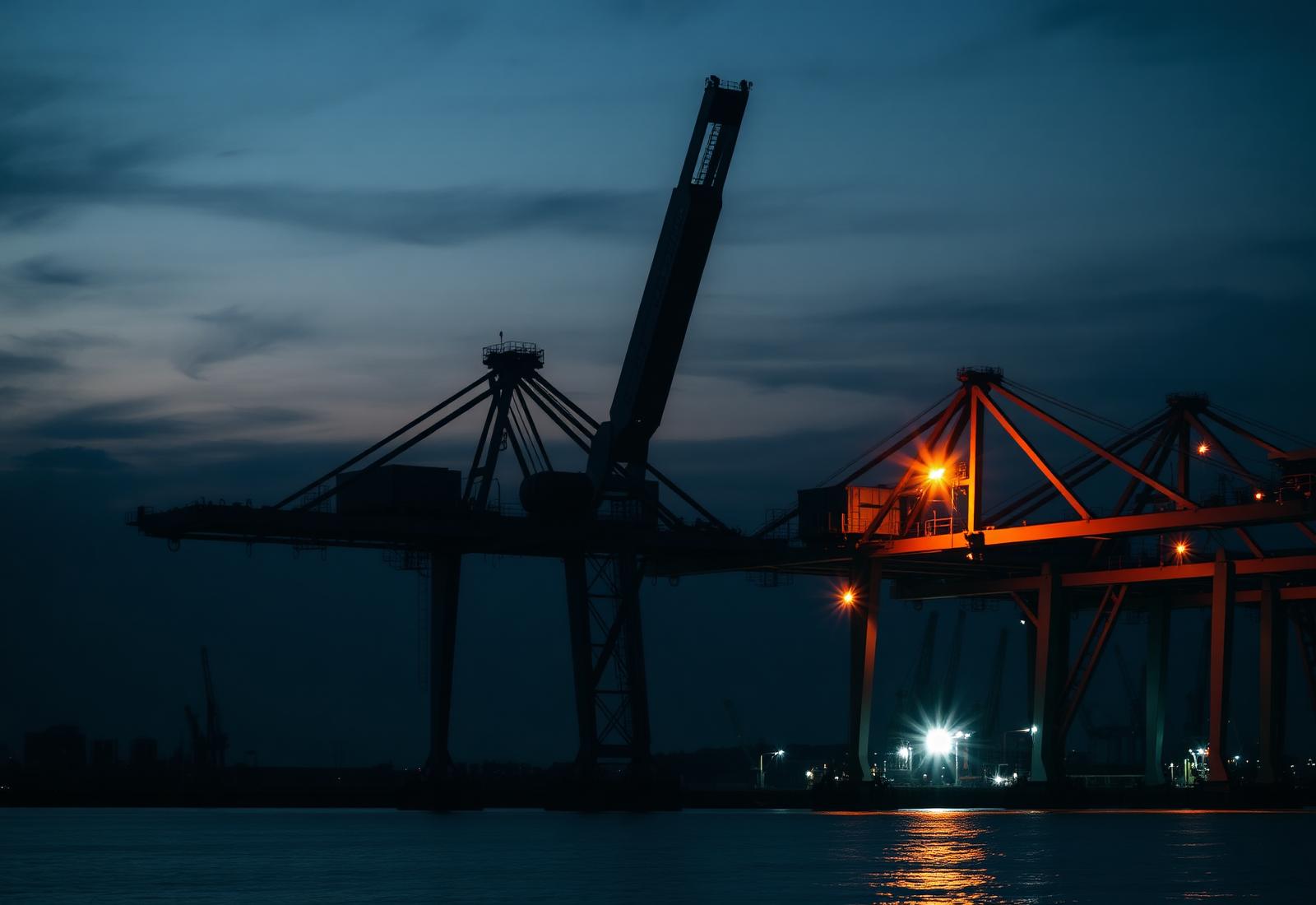
One case. One contact. Multiple solutions.
Clients do not need several different companies. Pommer & Partners can manage the complete process from initial cargo assessment through purchase, remarketing, recovery or final disposal.
Principal Buyer
We purchase distressed, damaged, rejected, off-specification, abandoned or otherwise problematic cargo for our own account — allowing cargo interests to close a file quickly and with commercial certainty.
Salvage & Remarketing
Where direct purchase is not commercially or geographically appropriate, we organise and manage the sale through our international network of buyers, traders, processors and end users.
Recovery Coordinator
If cargo no longer has a commercially viable market, we organise recycling, recovery, alternative industrial use, destruction or legally compliant disposal.
Depending on the cargo, jurisdiction and commercial circumstances, Pommer & Partners may purchase cargo as principal or provide remarketing, recovery, recycling or disposal coordination services. Where we buy, we act as a party to the transaction and not as an independent adviser or valuer.
How we work
Recover value. Reduce exposure. Release the asset.
A disciplined framework adapted to the commercial and regulatory circumstances of each file.
Cargo details, location, condition, photographs, survey reports and available analyses are received.
Condition, title, customs status, applicable regulation and realistic alternative uses are assessed.
Direct purchase, salvage sale, remarketing, recovery, recycling or disposal is selected according to the case.
The agreed transaction or recovery route is coordinated with the relevant parties.
Final documents, disposal or recovery evidence and the commercial outcome are reported.
Urgent marine cases · Shipowners & P&I Clubs
When rejected or distressed cargo prevents a vessel from continuing normal operations, time can become more expensive than the cargo itself. Pommer & Partners evaluates commercially realistic options for removing, selling, recovering or disposing of problematic cargo.
Remaining, rejected or distressed cargo can occupy a valuable hold and disrupt the next loading. Pommer & Partners evaluates direct purchase on an AS IS, WHERE IS basis and practical takeover arrangements case by case.
Explore Our Residual Cargo Solutions →Marine cargo salvage
In commercial terms, marine cargo salvage means recovering value from cargo affected by a marine casualty or voyage problem — water ingress, fire, grounding, heavy weather, temperature failure or rejection. It covers selling, remarketing or otherwise recovering the cargo so that the loss to cargo interests and insurers is reduced.
Once the cargo is accessible and surveyed, sound and damaged fractions are separated, evidence is collected and the cargo is offered to a principal buyer, alternative markets or processors. Where no commercial use remains, recycling or compliant disposal is coordinated. Speed protects value, because many cargoes deteriorate further while decisions are pending.
Vessel salvage is the physical rescue of a ship and its cargo at sea by salvors, usually under salvage law and contracts such as Lloyd's Open Form. Commercial cargo salvage starts afterwards: it deals with the sale and recovery of the cargo itself. Pommer & Partners works in the commercial cargo phase, not as a vessel salvor.
How cargo salvage sales work in practiceFAQ
Trust & compliance
Transactions and services are subject to verification and applicable regulation, including:
Purchases and sales require evidence of ownership and authority to sell, or the written authority of the insurer or party entitled to dispose of the cargo. Recovery, recycling and disposal routes depend on waste classification and on applicable environmental, transport and customs rules in the countries involved. Potential alternative use of food or agricultural cargo, including animal-feed applications, depends on cargo condition, laboratory results and applicable food and feed legislation, and is only pursued where the competent authorities and the relevant rules allow it.
Commercial realisation of cargo following a casualty is set out in detail under cargo salvage sales.
Commercial assessment and recovery support for maritime lawyers, P&I Clubs and shipowners is set out under commercial recovery for maritime claims.
Related
We buy damaged, rejected and abandoned cargo as principal, AS IS, WHERE IS.
How cargo recovery companies, consultants and salvage buyers differ.
Buyers & recovery specialists worldwide.
Worldwide buyers of abandoned, unclaimed and stranded cargo.
Solutions for cargo inside abandoned and unclaimed containers.
Shipments never collected or claimed by the consignee.
Consignments refused on arrival by receivers or authorities.
Solutions for rejected and off-specification consignments.
Wet, contaminated and heat-affected consignments.
Distressed grain, feed and vegetable oils.
Damaged, rejected and off-spec agricultural commodity salvage.
Grain, corn and maize cargo damaged or rejected at destination.
Cargo recovery across the Red Sea, Gulf and East Africa.
International salvage sales and buyer placement.
Material and energy recovery routes.
When no commercial market remains.
How cargo cases are structured and resolved.
Submit cargo details
Send us the cargo details, location, quantity, condition and available survey information for an initial assessment.
contact@pommerpartners.com