Skip to content

Cargo salvage sales · Worldwide

International Cargo
Salvage Sales

Pommer & Partners supports insurers, P&I Clubs, shipowners, cargo interests and claims professionals in the commercial recovery and realisation of value from damaged, rejected, contaminated, abandoned and off-spec cargo.

Definition

What is a cargo salvage sale?

A cargo salvage sale is the commercial realisation of residual cargo value where the original commercial use of the cargo has been affected.

Salvage sales typically follow damage, contamination, rejection, deterioration, temperature deviation, abandonment, marine casualty, destination-market rejection or other circumstances affecting the intended commercial use of the cargo. The cargo is assessed and traded in its actual condition, on the basis of the documentation, survey findings and analytical results available at the time.

A salvage sale is therefore a claims and recovery instrument, not a discount sale. It establishes what the cargo is still commercially worth in a lawful alternative market or application, and how quickly that value can be converted while exposure continues to accrue in a vessel, port, terminal or warehouse.

Typical objectives

  • Loss mitigation
  • Establishing residual commercial value
  • Identifying lawful alternative markets
  • Obtaining commercial offers
  • Reducing storage and detention exposure
  • Removing affected cargo from a vessel, port, terminal or warehouse
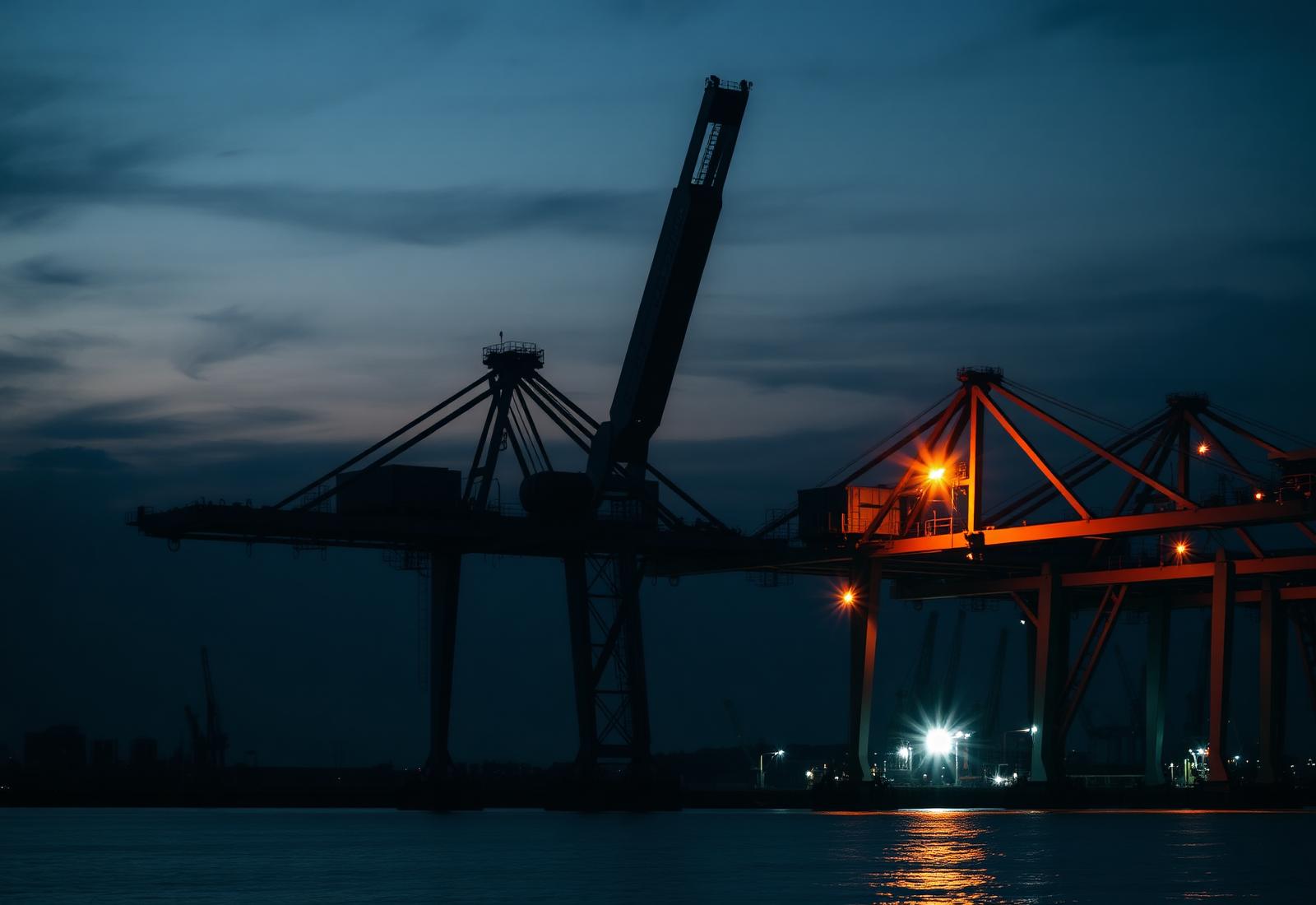
Port crane handling cargo at an international terminal at dusk

Case profile

Typical salvage sale situations

Cargo condition, not commodity type, usually determines the recovery route.

Parties involved

Who is typically involved in a salvage sale

Depending on title, insurance arrangements, contractual rights and the circumstances of the loss, a salvage sale may be instructed or coordinated by the relevant cargo interests, insurers, shipowners, claims professionals or authorised representatives. Not every party connected with a cargo has authority to sell it, and the position is clarified case by case before a transaction proceeds.

We are accustomed to working alongside claims files that already involve survey instructions, laboratory analysis, terminal deadlines and, in casualty cases, general average or recovery specialists acting for several interests at once.

Counterparties

  • P&I Clubs
  • Marine cargo insurers
  • Underwriters
  • Shipowners
  • Cargo interests
  • Claims handlers
  • Surveyors
  • Lloyd's Agents
  • Average adjusters
  • Recovery specialists
  • Shipping and logistics stakeholders

Participation

How Pommer & Partners can participate

Our role depends on the cargo, its location, the legal position and the economics of the individual case.

  1. 01

    Initial Case Review

    Review of commodity, quantity, location, condition, available documentation, survey findings, laboratory results and time constraints.

  2. 02

    Commercial Assessment

    Assessment of residual value, lawful alternative markets and realistic recovery routes for the cargo in its actual condition.

  3. 03

    Buyer Identification

    Identification of suitable buyers, processors, traders, recyclers or alternative end users.

  4. 04

    Offers / Tender

    Where appropriate, support of a structured offer or salvage tender process allowing commercial offers to be compared.

  5. 05

    Direct Purchase

    Pommer & Partners may itself purchase suitable cargo as principal, using its own capital, where this is the appropriate route.

  6. 06

    Sale / Transaction

    Support of the commercial agreement, including AS IS, WHERE IS terms where appropriate to the cargo and jurisdiction.

  7. 07

    Collection and Removal

    Coordination or support of collection, transport, re-export, processing, recycling or other agreed disposition.

  8. 08

    Case Closure

    Support of documentation of the agreed commercial outcome and salvage proceeds where applicable.

Pommer & Partners acts commercially. We do not act as legal adviser, regulator, insurer, customs authority, vessel salvor, towage contractor or wreck-removal contractor.

Two routes

Direct purchase or a managed salvage sale

Both routes are available. Which is appropriate depends on the cargo, the market and the time available.

Principal

Direct Purchase

Pommer & Partners may purchase suitable distressed or salvage cargo directly as principal buyer, using its own capital. Purchase is always subject to commercial evaluation and cannot be guaranteed in advance.

  • One commercial counterparty
  • Faster commercial decision-making
  • Own-capital transactions
  • Ability to purchase complete lots
  • Simplified transfer and removal arrangements

Coordinator

Managed Salvage Sale & Remarketing

Where direct acquisition is not the optimal route, we may support a structured sale or remarketing process involving external buyers. No particular price level or maximum recovery can be promised.

  • Broader buyer reach
  • Access to alternative markets
  • Comparison of commercial offers
  • Commodity-specific outlets
  • Recovery routes adapted to cargo condition

International scope

Cases are handled across international ports and markets — Europe, the Mediterranean, the Middle East, Africa, Asia and the Americas. We do not maintain offices or licences in every country; each case is arranged with local stakeholders and within the applicable regulatory framework. Port-specific information is available in our locations index.

Scope of work

Cargo salvage sales are not vessel salvage

Our focus is the commercial recovery, purchase, remarketing and disposition of cargo following damage, rejection, contamination, abandonment or marine casualty. Vessel salvage, towage and wreck removal are separate specialist disciplines.

Initial assessment

Information required for an initial assessment

Partial information is enough to start. Anything missing can follow once the case is open.

  • Commodity
  • Quantity / tonnage
  • Current location or port
  • Cargo condition
  • Nature of the damage or rejection
  • Photographs
  • Survey report
  • Laboratory results, if available
  • Packaging
  • Ownership and authority to sell, where relevant
  • Required timeframe
  • Logistical restrictions
  • Intended sale basis, if already defined
Submit a Cargo Salvage Case

Direct to contact@pommerpartners.com · +49 221 405027 — assessed by the people who handle the case.

Questions

Salvage sales in practice

Who buys damaged cargo after a marine insurance claim?

Damaged cargo is typically acquired by specialist buyers, processors, traders or alternative end users able to handle the cargo in its actual condition. Pommer & Partners may purchase suitable cargo directly as principal, or identify and coordinate external buyers where a managed salvage sale is the more appropriate route.

How is a cargo salvage sale organised?

A salvage sale normally begins with a case review covering commodity, quantity, location, condition and available survey or laboratory documentation. Residual value and realistic recovery routes are then assessed, suitable buyers or processors are identified, and commercial offers are obtained — by negotiation or, where appropriate, through a structured tender. The agreed transaction is usually concluded on an AS IS, WHERE IS basis, followed by collection, removal and documentation of the commercial outcome.

Who can instruct a salvage sale for a P&I Club or cargo insurer?

Depending on title, insurance arrangements, contractual rights and the circumstances of the loss, a salvage sale may be instructed or coordinated by the relevant cargo interests, insurers, shipowners, claims professionals or authorised representatives. Authority to sell is verified as part of the case review before any transaction proceeds.

Can insurers obtain commercial offers for damaged cargo?

Yes. Where market exposure is wanted, Pommer & Partners can support a structured offer or tender process so that cargo interests, insurers or claims professionals can compare commercial offers for cargo in its actual condition. No particular price level or outcome can be guaranteed.

How does cargo salvage differ from vessel salvage?

Our focus is the commercial recovery, purchase, remarketing and disposition of cargo following damage, rejection, contamination, abandonment or marine casualty. Vessel salvage, towage and wreck removal are separate specialist disciplines.

For a structured overview of Pommer & Partners’ transaction roles, cargo categories and commercial recovery capabilities, see our Technical Profile.