01
Cargo assessment
Available surveys, laboratory analyses, certificates, photographs, B/L information and cargo history are reviewed.
Grain · Corn / maize · Feed grains
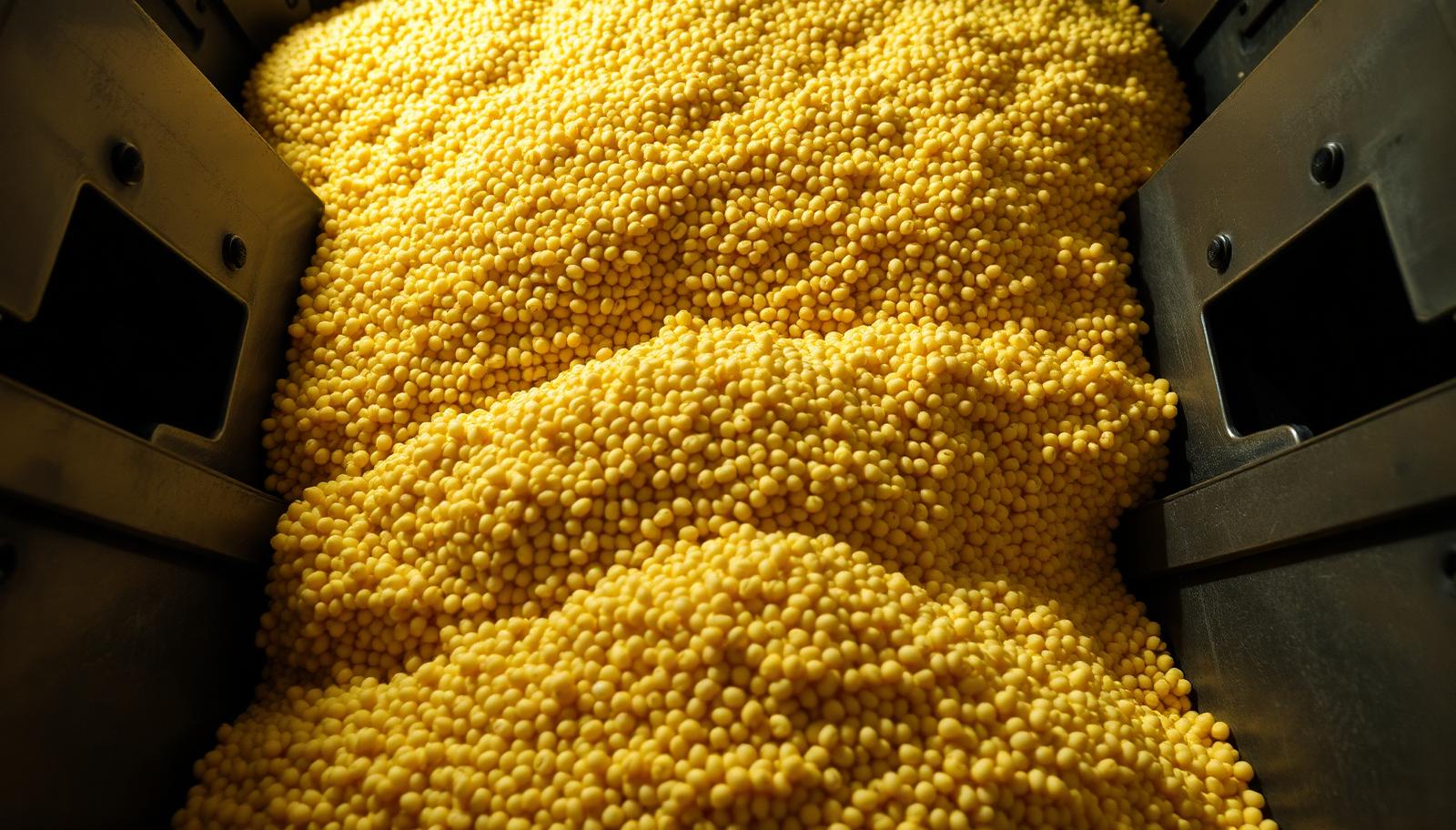
Bulk grain and corn or maize that arrives damaged, or is refused at destination, needs a commercial decision before further deterioration removes the options.
After a sea voyage, a bulk grain or corn parcel can be found wet, heated, caked, contaminated or simply outside contractual specification. The receiver refuses it, storage begins to accumulate, and the vessel or container fleet is held up while the parties consider their position.
Pommer & Partners works on exactly these cases. Depending on the circumstances, cargo may be purchased directly, sold to identified buyers, remarketed internationally, or routed to a lawful recovery or disposal solution. Grain intended for the food or feed chain is only placed where that use is permitted in the receiving market.
Wider agricultural work is described under distressed agricultural cargo, and regional handling under Red Sea cargo recovery. Port-specific grain resources include Alexandria & El Dekheila and rejected grain and vessel cargo at Aqaba.
Process
Rejection is a commercial situation, not automatically a total loss. The sequence below is how a distressed grain or corn parcel is worked through.
Available surveys, laboratory analyses, certificates, photographs, B/L information and cargo history are reviewed.
Determine whether the cargo retains value for its original purpose or potentially for an alternative lawful use.
Identify suitable buyers and alternative markets based on cargo condition, location and applicable regulations.
Where appropriate, approach multiple potential buyers rather than relying on a single local offer.
Coordinate commercial terms, delivery conditions, logistics and documentation with the parties involved.
Where commercial resale is impossible, evaluate lawful recovery, recycling, treatment or disposal options.
Pommer & Partners’ objective is not simply to dispose of distressed cargo, but to determine whether remaining commercial value can be recovered first.
Cargo condition
The condition determines the market. The reason for rejection determines which markets are lawfully available.
Sea water or rain water reaching the stow, producing wet, caked and mouldy layers.
Moisture migration and biological activity leading to heat damage, discolouration and odour.
Mycotoxins, residues or microbiological results that block the originally intended use.
Hold residues, previous cargo, oil, glass or insect infestation found on discharge.
Moisture, protein, broken kernels, test weight or damaged-kernel counts outside tolerance.
Import refusal or documentation problems preventing release at the port of destination.
Grain condition and testing questions
Pommer & Partners can evaluate water-damaged or heat-damaged grain for purchase as principal, or for placement with a suitable alternative buyer where direct purchase is inappropriate. A commercial bid depends on representative sampling, the extent and distribution of damage, laboratory findings, location, lawful sale authority and a permitted outlet. Wet layers, caking and self-heating may affect different parts of a stow differently; photographs alone cannot establish safety or the marketable proportion.
How principal purchase differs from an independent valuationSometimes, if reliable evidence supports the proposed use and the relevant market can lawfully accept it. Pommer & Partners assesses whether sound fractions can be segregated, whether a permitted grade downgrade or processing route is viable, and whether handling preserves traceability. Damaged maize is not automatically suitable for feed, food, blending or industrial processing. An apparent price opportunity does not override contaminant limits, import restrictions or a regulator's decision on the specific parcel.
A prospective buyer needs the actual analysis and damage history, not only the original loading specification. Material or energy recovery is considered separately where legally and technically permissible.
Comparing alternative markets and lawful recovery routesThe testing programme follows the commodity, suspected damage and proposed use; there is no universal panel that approves every parcel. Pommer & Partners reviews representative sampling and laboratory evidence alongside survey findings and storage or voyage history. As relevant, moisture, mould, mycotoxins including aflatoxin, pest contamination and grain-quality results help determine which outlets can be investigated. Temperature measurements and self-heating history are condition evidence to be considered alongside, rather than replaced by, laboratory analysis.
Buyer network
A single local offer does not automatically represent the best net result. Where circumstances allow, several commercial routes are compared before a recommendation is made.
A buyer at or near the port of discharge, where condition and regulation permit.
Processors and traders in neighbouring markets with different quality tolerances.
Re-export where the destination permits the intended use of the cargo.
Technical, industrial or non-food applications where the deviation is irrelevant.
Blending, cleaning, drying, treatment or energy recovery by a suitable plant.
Compliant destruction as a last resort once no commercial route remains.
The comparison is not limited to the headline price. Each option is weighed against the full cost and risk picture:
Who we work with
Agricultural cargo cases are usually driven by more than one interested party. Pommer & Partners can be brought in by, or work alongside, the following:
Trust & compliance
Transactions and services are subject to verification and applicable regulation, including:
Purchases and sales require evidence of ownership and authority to sell, or the written authority of the insurer or party entitled to dispose of the cargo. Recovery, recycling and disposal routes depend on waste classification and on applicable environmental, transport and customs rules in the countries involved. Potential alternative use of food or agricultural cargo, including animal-feed applications, depends on cargo condition, laboratory results and applicable food and feed legislation, and is only pursued where the competent authorities and the relevant rules allow it.
Related specialist pages
Grain, feed, oilseeds and pulses in damaged, rejected or off-spec condition.
Cargo situations across the Red Sea, Arabian Peninsula and East Africa.
How rejected and off-specification consignments are assessed for alternative use.
Structured remarketing and salvage sales through an international buyer network.
Related
We buy damaged, rejected and abandoned cargo as principal, AS IS, WHERE IS.
How cargo recovery companies, consultants and salvage buyers differ.
Buyers & recovery specialists worldwide.
Worldwide buyers of abandoned, unclaimed and stranded cargo.
Solutions for cargo inside abandoned and unclaimed containers.
Shipments never collected or claimed by the consignee.
Consignments refused on arrival by receivers or authorities.
Salvage sales and cargo recovery at sea and in port.
Solutions for rejected and off-specification consignments.
Wet, contaminated and heat-affected consignments.
Distressed grain, feed and vegetable oils.
Damaged, rejected and off-spec agricultural commodity salvage.
Grain, corn and maize cargo damaged or rejected at destination.
Cargo recovery across the Red Sea, Gulf and East Africa.
International salvage sales and buyer placement.
Material and energy recovery routes.
When no commercial market remains.
How cargo cases are structured and resolved.
Contact
Send us the available cargo details, location, quantity, survey information and photographs. We will assess possible recovery and remarketing options.
contact@pommerpartners.com