01
Specification deviation
Moisture, protein, purity, viscosity, colour, particle size or additive deviations outside contractual tolerance.
Rejected & off-spec cargo
When a receiver, authority or quality department refuses a consignment, the cargo rarely becomes worthless — it becomes a different commercial problem.
Pommer & Partners evaluates rejected and off-specification cargo for alternative use: a different market, a different quality grade, a processor able to blend, refine, recondition or repack, or an industrial application in which the deviation is irrelevant.
Where a lawful and commercially viable route exists, we may either purchase the cargo for our own account or, under a separate mandate from an authorised party, coordinate a sale, recovery, recycling or compliant disposal. The aim is to limit further financial exposure. A sale or transfer of title does not automatically stop storage, demurrage or detention charges and does not release any party from obligations to third parties. Release, physical removal, equipment return and any release from liabilities each require a separate arrangement.
Every case is checked against title, customs, sanctions and cargo-specific regulatory requirements before a commercial route is confirmed.
For agricultural parcels, see rejected corn and maize cargo and distressed agricultural cargo. Bulk parcels refused at the discharge port are covered under rejected grain cargo buyers.
Typical reasons for rejection
Moisture, protein, purity, viscosity, colour, particle size or additive deviations outside contractual tolerance.
Mycotoxins, residues, microbiological findings or analytical results that block the intended use.
Foreign matter, hold residues, water ingress, oil or cross-contamination during carriage or storage.
Reefer failures, broken cold chains and heat-affected cargo in containers or holds.
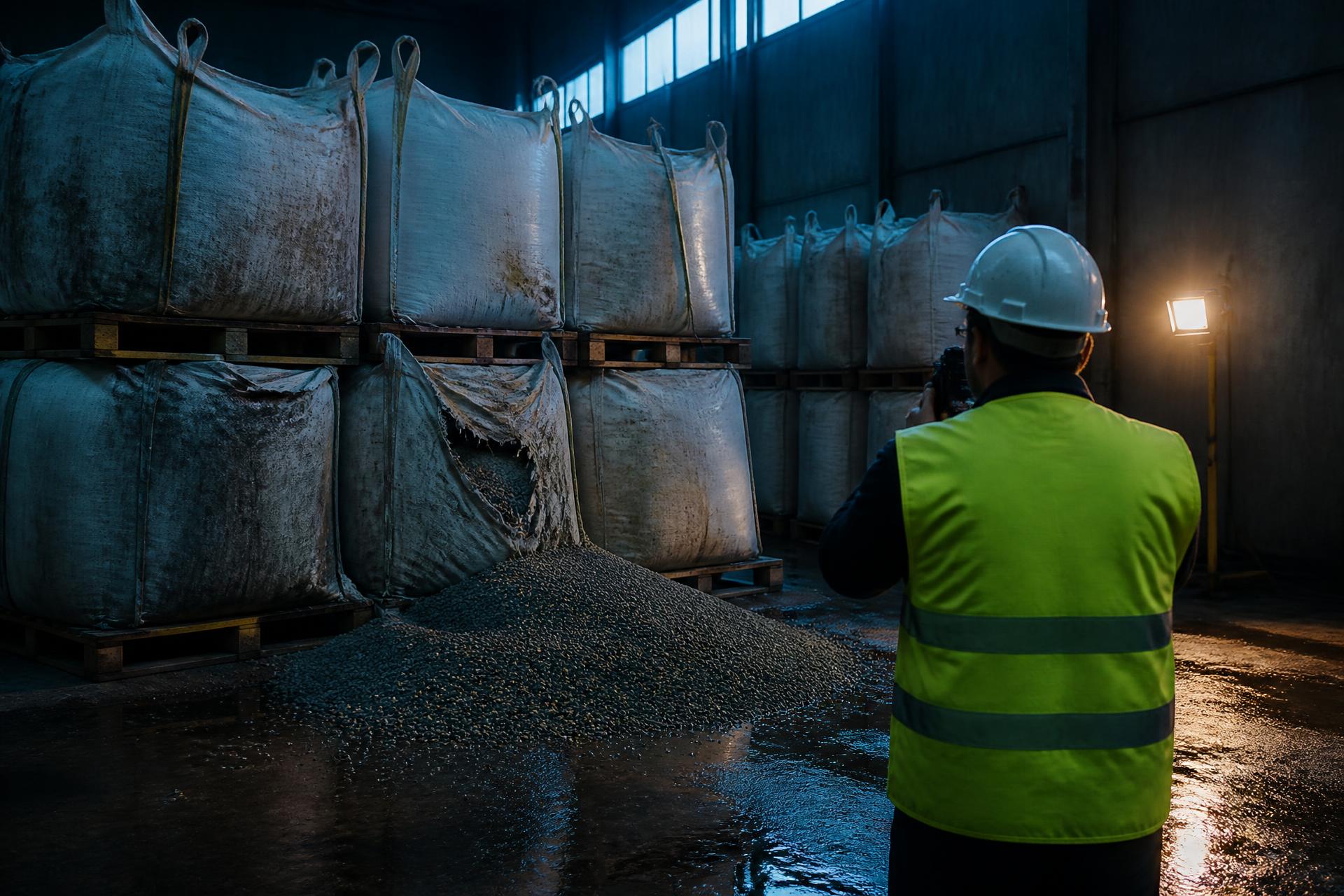
Torn bags, damaged drums, crushed palletised goods or labelling that does not satisfy the destination market.
Import rejection, customs problems or documentation issues preventing release at destination.
Types of cases
How we work
Recover value. Reduce exposure. Release the asset.
A disciplined framework adapted to the commercial and regulatory circumstances of each file.
Cargo details, location, condition, photographs, survey reports and available analyses are received.
Condition, title, customs status, applicable regulation and realistic alternative uses are assessed.
Direct purchase, salvage sale, remarketing, recovery, recycling or disposal is selected according to the case.
The agreed transaction or recovery route is coordinated with the relevant parties.
Final documents, disposal or recovery evidence and the commercial outcome are reported.
Trust & compliance
Transactions and services are subject to verification and applicable regulation, including:
Purchases and sales require evidence of ownership and authority to sell, or the written authority of the insurer or party entitled to dispose of the cargo. Recovery, recycling and disposal routes depend on waste classification and on applicable environmental, transport and customs rules in the countries involved. Potential alternative use of food or agricultural cargo, including animal-feed applications, depends on cargo condition, laboratory results and applicable food and feed legislation, and is only pursued where the competent authorities and the relevant rules allow it.
Rejected consignments are frequently resolved through a structured salvage sale.
Rejected cargo questions
The receiver or authority issues a rejection, and the cargo usually remains on board, in a terminal or in containers while costs accrue. The cargo interest then needs to establish the reason for rejection, the customs and regulatory position, title and authority to sell, before deciding between re-export, an alternative buyer, a direct purchase, recovery or compliant disposal.
Frequently yes. A cargo that fails one contract's specification may meet another buyer's grade, a different market's requirements or an industrial application. The sale depends on documented analysis, the reason for the failure, applicable import and product rules at the new destination, and whether the seller has authority to sell.
That depends on the sale contract, charter party, bill of lading and terminal terms, and it often becomes disputed. Charges generally continue to accrue while the cargo stays in place, whoever ultimately bears them. A cargo sale may help reduce further demurrage, detention and storage exposure, but transferring ownership does not automatically stop charges or release existing contractual obligations. Cargo release, physical removal, container return and the relevant agreements must be considered separately.
Related
We buy damaged, rejected and abandoned cargo as principal, AS IS, WHERE IS.
How cargo recovery companies, consultants and salvage buyers differ.
Buyers & recovery specialists worldwide.
Worldwide buyers of abandoned, unclaimed and stranded cargo.
Solutions for cargo inside abandoned and unclaimed containers.
Shipments never collected or claimed by the consignee.
Consignments refused on arrival by receivers or authorities.
Salvage sales and cargo recovery at sea and in port.
Wet, contaminated and heat-affected consignments.
Distressed grain, feed and vegetable oils.
Damaged, rejected and off-spec agricultural commodity salvage.
Grain, corn and maize cargo damaged or rejected at destination.
Cargo recovery across the Red Sea, Gulf and East Africa.
International salvage sales and buyer placement.
Material and energy recovery routes.
When no commercial market remains.
How cargo cases are structured and resolved.
Submit cargo details
Send us the cargo details, location, quantity, condition and available survey information for an initial assessment.
contact@pommerpartners.com