01
Principal Buyer
Direct Purchase
We purchase distressed, damaged, rejected, off-specification, abandoned or otherwise problematic cargo for our own account — allowing cargo interests to close a file quickly and with commercial certainty.
Buyer · Principal · Recovery specialist · Worldwide
Pommer & Partners offers direct purchase for qualifying cargo as principal and commercial counterparty, subject to title, authority, applicable regulations and agreed terms. Our own-account offer is a commercial bid, not an independent valuation. Purchases may be agreed on an AS IS, WHERE IS basis, with recovery, movement or remarketing responsibilities defined in the transaction terms.
Marine claims and cargo files usually reach a point where an opinion is no longer enough and a counterparty is required. Pommer & Partners can be that counterparty: we quote for the cargo, buy it for our own account and assume the practical burden of moving, reconditioning, remarketing or lawfully disposing of it.
Purchases are made on an AS IS, WHERE IS basis — an established commercial principle in salvage trading. The cargo is bought in its present condition and at its present location, with the condition, quantity and documentary position reflected in the price rather than argued afterwards. Where a purchase is not the right answer, we structure a salvage sale, place the cargo in an alternative market or coordinate recovery and compliant disposal.
We work alongside P&I Clubs, marine and cargo insurers, average adjusters, claims handlers, shipowners, shipping lines, forwarders, surveyors, Lloyd's Agents, lawyers and cargo interests, and we disclose our role in each case — as buyer, salvage sale manager or recovery coordinator.
Distressed cargo solutions in detail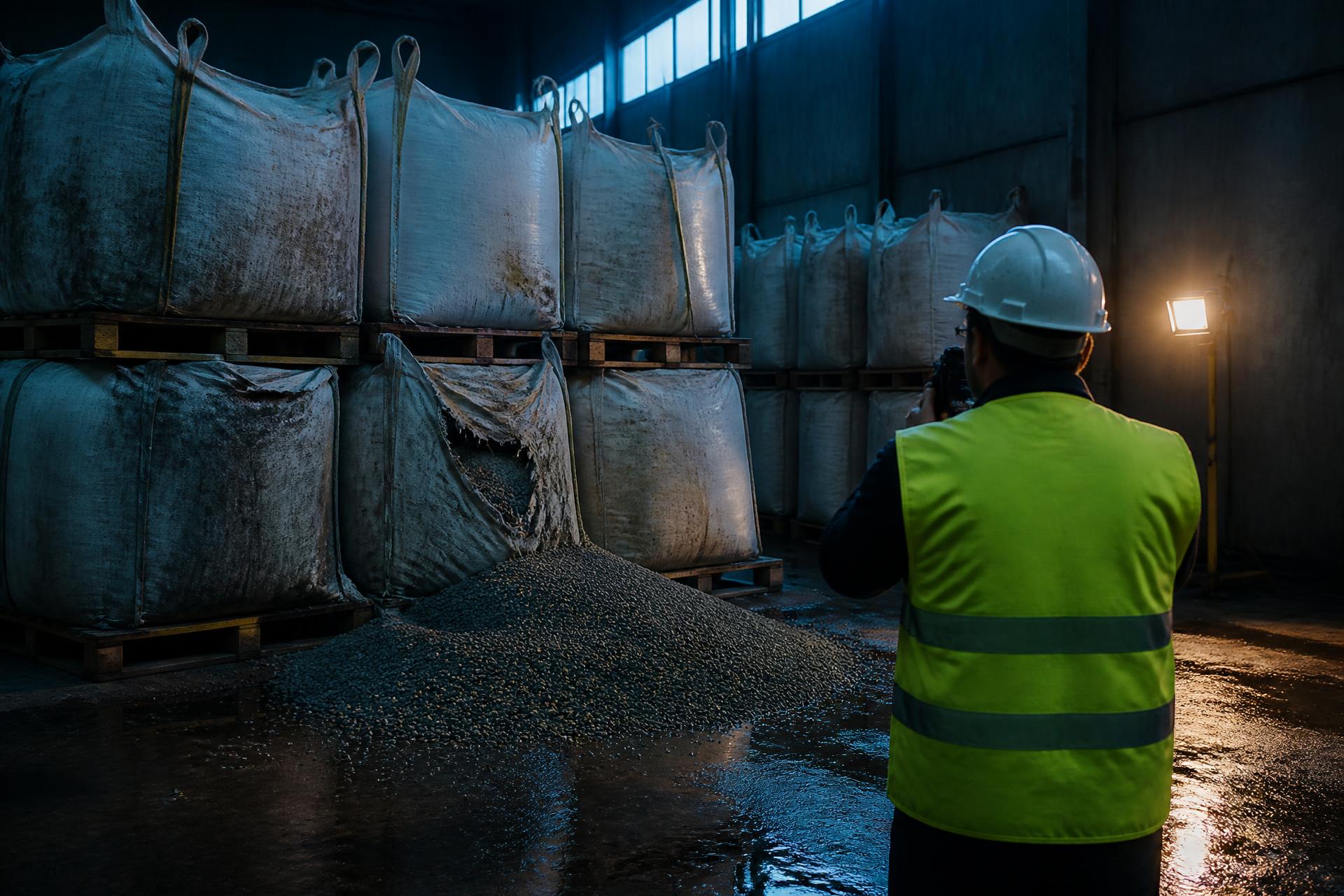
Who instructs us
Cargo we buy and handle
Cargo type, location, condition and the legal position determine whether we buy, remarket or coordinate recovery. Nothing is excluded before it has been looked at.
Impact, crushing, handling and stowage damage across containerised, breakbulk and bulk shipments.
Consignments refused by receivers, authorities or quality control on arrival.
Cargo left uncollected at terminals, depots or warehouses, often with accruing charges.
Material outside contractual, analytical or regulatory specification.
Cross-contamination, foreign matter, odour taint and product mixing.
Sea water and fresh water ingress, condensation and sprinkler damage.
Agricultural, chemical, polymer, mineral and fertiliser lots requiring an outlet.
Salvage on marine and cargo claims, structured to reduce indemnity exposure.
Shipments stopped in transit, at transshipment or at the port of discharge.
Consignments without an active buyer, consignee or documentary route.
Warehouse losses, discontinued stock and residual production lots.
Material that no longer fits its original market but retains value elsewhere.
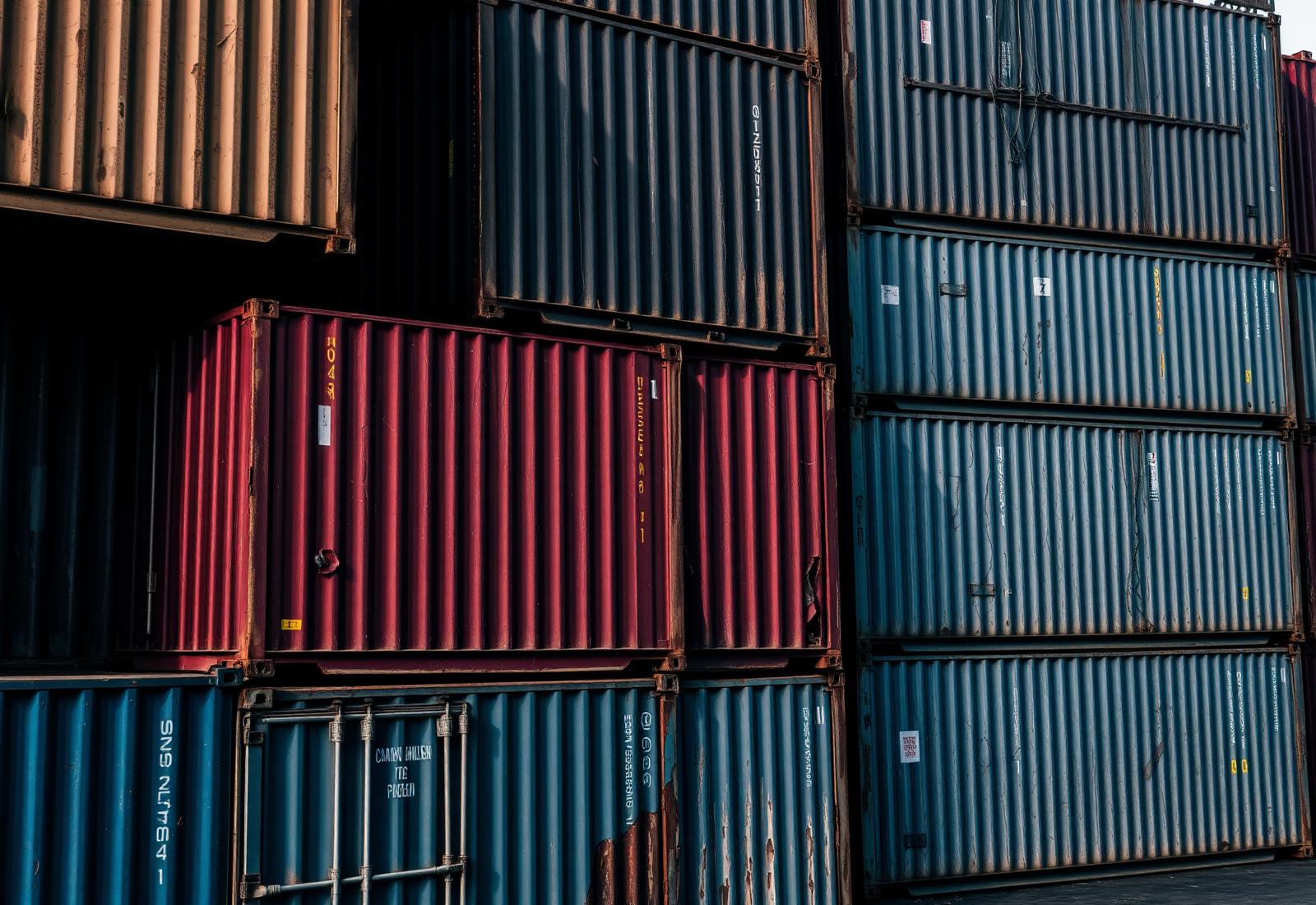
Evaluate → Purchase → Recover → Remarket
The objective is the residual value of the cargo, not its removal. Destruction is the last step in the sequence, not the default one.
Cargo details, location, quantity, condition and survey information are reviewed commercially.
Where appropriate we buy as principal, committing our own capital, AS IS, WHERE IS.
Sorting, reconditioning, repacking, onward movement or industrial recovery as the case allows.
Placement with buyers, traders, processors and end users through our international network.
Where recovery has no commercial value
Compliant disposal. Where no market, industrial use or recovery route remains, we arrange destruction or disposal through licensed facilities, with documentation suitable for claims and regulatory purposes.
One case. One contact. Multiple solutions.
Clients do not need several different companies. Pommer & Partners can manage the complete process from initial cargo assessment through purchase, remarketing, recovery or final disposal.
Principal Buyer
We purchase distressed, damaged, rejected, off-specification, abandoned or otherwise problematic cargo for our own account — allowing cargo interests to close a file quickly and with commercial certainty.
Salvage & Remarketing
Where direct purchase is not commercially or geographically appropriate, we organise and manage the sale through our international network of buyers, traders, processors and end users.
Recovery Coordinator
If cargo no longer has a commercially viable market, we organise recycling, recovery, alternative industrial use, destruction or legally compliant disposal.
Depending on the cargo, jurisdiction and commercial circumstances, Pommer & Partners may purchase cargo as principal or provide remarketing, recovery, recycling or disposal coordination services. Where we buy, we act as a party to the transaction and not as an independent adviser or valuer.
How we work
Recover value. Reduce exposure. Release the asset.
A disciplined framework adapted to the commercial and regulatory circumstances of each file.
Cargo details, location, condition, photographs, survey reports and available analyses are received.
Condition, title, customs status, applicable regulation and realistic alternative uses are assessed.
Direct purchase, salvage sale, remarketing, recovery, recycling or disposal is selected according to the case.
The agreed transaction or recovery route is coordinated with the relevant parties.
Final documents, disposal or recovery evidence and the commercial outcome are reported.
Urgent marine cases · Shipowners & P&I Clubs
When rejected or distressed cargo prevents a vessel from continuing normal operations, time can become more expensive than the cargo itself. Pommer & Partners evaluates commercially realistic options for removing, selling, recovering or disposing of problematic cargo.
Remaining, rejected or distressed cargo can occupy a valuable hold and disrupt the next loading. Pommer & Partners evaluates direct purchase on an AS IS, WHERE IS basis and practical takeover arrangements case by case.
Explore Our Residual Cargo Solutions →International capability
Our network enables us to evaluate cargo across Europe, the Mediterranean, Middle East, Africa, Asia and the Americas.
Pommer & Partners International Trading Limited is registered in Ireland and works through an established international network of buyers, processors and service providers. We distinguish clearly between our own company locations and that network — we do not maintain offices in every country in which we handle cases.
Region
Europe
Region
Mediterranean
Region
Middle East
Region
Africa
Region
Asia
Region
Americas
No Cure – No Pay
Depending on the assignment, Pommer & Partners may act as principal buyer, manage a salvage sale or coordinate commercial recovery. Selected assignments may be undertaken on a No Cure, No Pay basis, subject to the agreed terms.
Buyer questions
Pommer & Partners buys distressed cargo AS IS, WHERE IS for its own account where commercially appropriate. The cargo is accepted in its existing condition and at its existing location, without the seller having to recondition, sort or transport it first. This gives shipowners, insurers and cargo owners a single counterparty and a defined commercial outcome.
Whether a principal purchase is possible depends on the commodity, location, documentation, title, regulatory position and economics of the individual case.
Ownership/title and risk of loss may pass at different times, depending on governing law and the explicit terms of the purchase. Payment, documents and physical delivery are distinct events and may or may not determine either transfer. Pommer & Partners requires lawful title or authority to sell and specifically negotiated milestones for title, risk, payment, condition, delivery and release.
AS IS, WHERE IS describes the agreed condition and location basis; it does not by itself establish title transfer, waive all warranties or confer customs release. Any warranty exclusions are subject to the negotiated terms and applicable law. Carrier, terminal and regulatory release requirements remain separate: a buyer may acquire title without obtaining possession or clearance.
A distressed cargo sale does not automatically release the seller or any other original debtor from accrued charges, carrier or container obligations, customs liabilities or duties to third parties. Buyer and seller may allocate costs between themselves, but their agreement alone cannot extinguish obligations to carriers, terminals or public authorities, or transfer statutory liabilities without a basis in applicable law and any required consent.
The sale agreement should define the buyer's and seller's responsibilities for storage, removal and container return. Cargo release, empty return and the end of demurrage or detention exposure may also require separate binding arrangements with the carrier, terminal or other relevant party; statutory responsibilities must be checked independently.
FAQ
Trust & compliance
Transactions and services are subject to verification and applicable regulation, including:
Purchases and sales require evidence of ownership and authority to sell, or the written authority of the insurer or party entitled to dispose of the cargo. Recovery, recycling and disposal routes depend on waste classification and on applicable environmental, transport and customs rules in the countries involved. Potential alternative use of food or agricultural cargo, including animal-feed applications, depends on cargo condition, laboratory results and applicable food and feed legislation, and is only pursued where the competent authorities and the relevant rules allow it.
Where a direct purchase is not the right route, the same case can be handled through a structured salvage sale.
Related
How cargo recovery companies, consultants and salvage buyers differ.
Buyers & recovery specialists worldwide.
Worldwide buyers of abandoned, unclaimed and stranded cargo.
Solutions for cargo inside abandoned and unclaimed containers.
Shipments never collected or claimed by the consignee.
Consignments refused on arrival by receivers or authorities.
Salvage sales and cargo recovery at sea and in port.
Solutions for rejected and off-specification consignments.
Wet, contaminated and heat-affected consignments.
Distressed grain, feed and vegetable oils.
Damaged, rejected and off-spec agricultural commodity salvage.
Grain, corn and maize cargo damaged or rejected at destination.
Cargo recovery across the Red Sea, Gulf and East Africa.
International salvage sales and buyer placement.
Material and energy recovery routes.
When no commercial market remains.
How cargo cases are structured and resolved.
Submit cargo details
Send us the cargo details, location, quantity, condition and available survey information for an initial assessment.
contact@pommerpartners.com