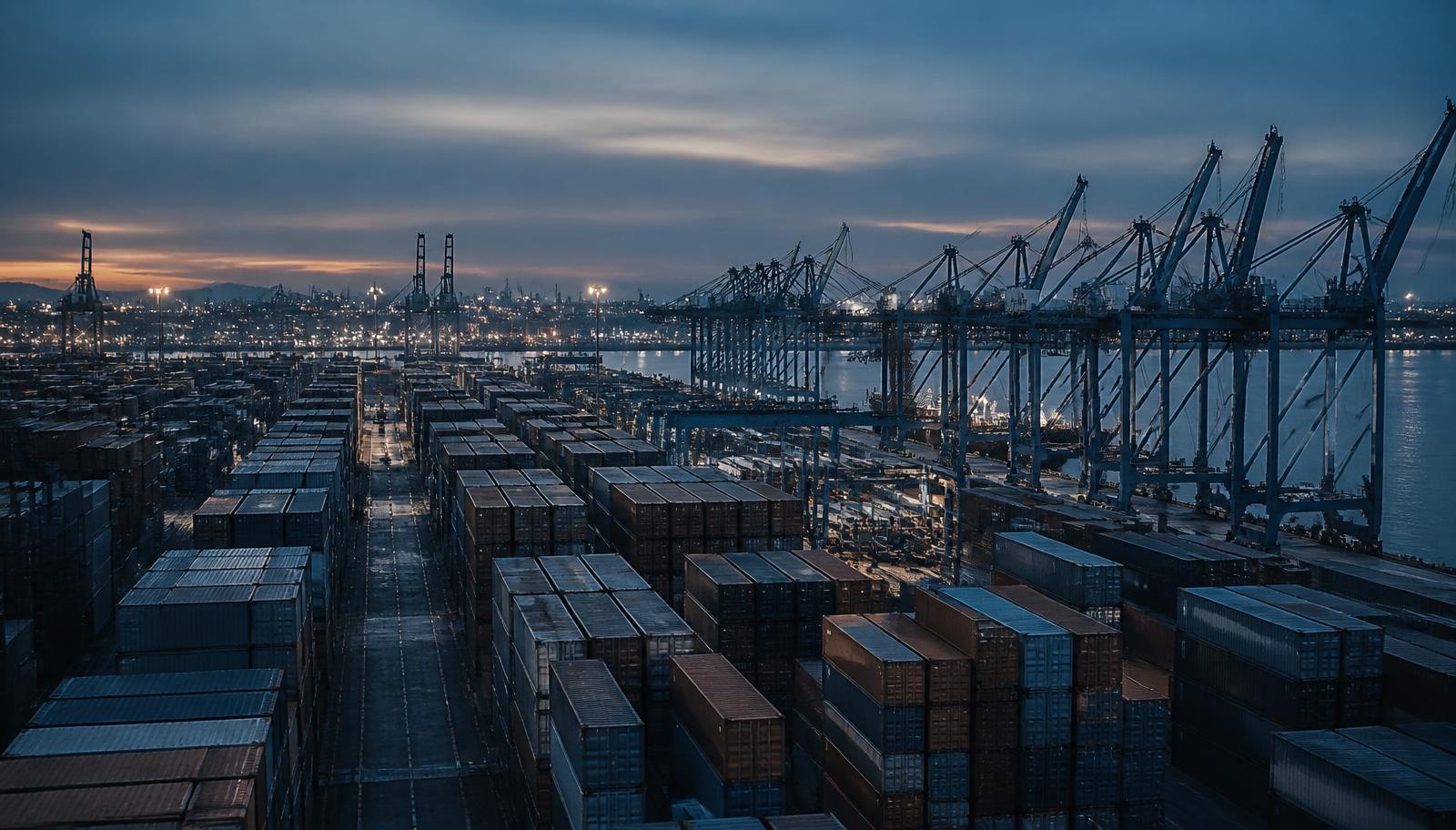
Who buys distressed cargo at Tanjung Pelepas?
Specialist distressed-cargo buyers such as Pommer & Partners can evaluate cargo positioned at the Port of Tanjung Pelepas for direct purchase, salvage sale, international remarketing, alternative destination, industrial recovery, recycling or compliant disposal, subject to cargo condition, title, documentation, customs position and applicable Malaysian requirements.
Who buys stranded container cargo in Malaysia?
Container cargo that has become commercially stranded — because the buyer refused delivery, the transaction was cancelled or the destination is no longer viable — is normally placed with a commercial buyer willing to take the goods in their present condition. Pommer & Partners evaluates such consignments on the remaining value of the goods rather than on the failed original contract.
Can Pommer & Partners purchase cargo directly?
In appropriate cases, yes. Pommer & Partners can act as principal buyer where ownership, authority to sell, documentation, customs status, sanctions screening and commercial terms allow. Where direct purchase is not appropriate, alternative buyer placement, remarketing, recovery, recycling or disposal routes can be evaluated instead.
What can be done when the original buyer rejects a container?
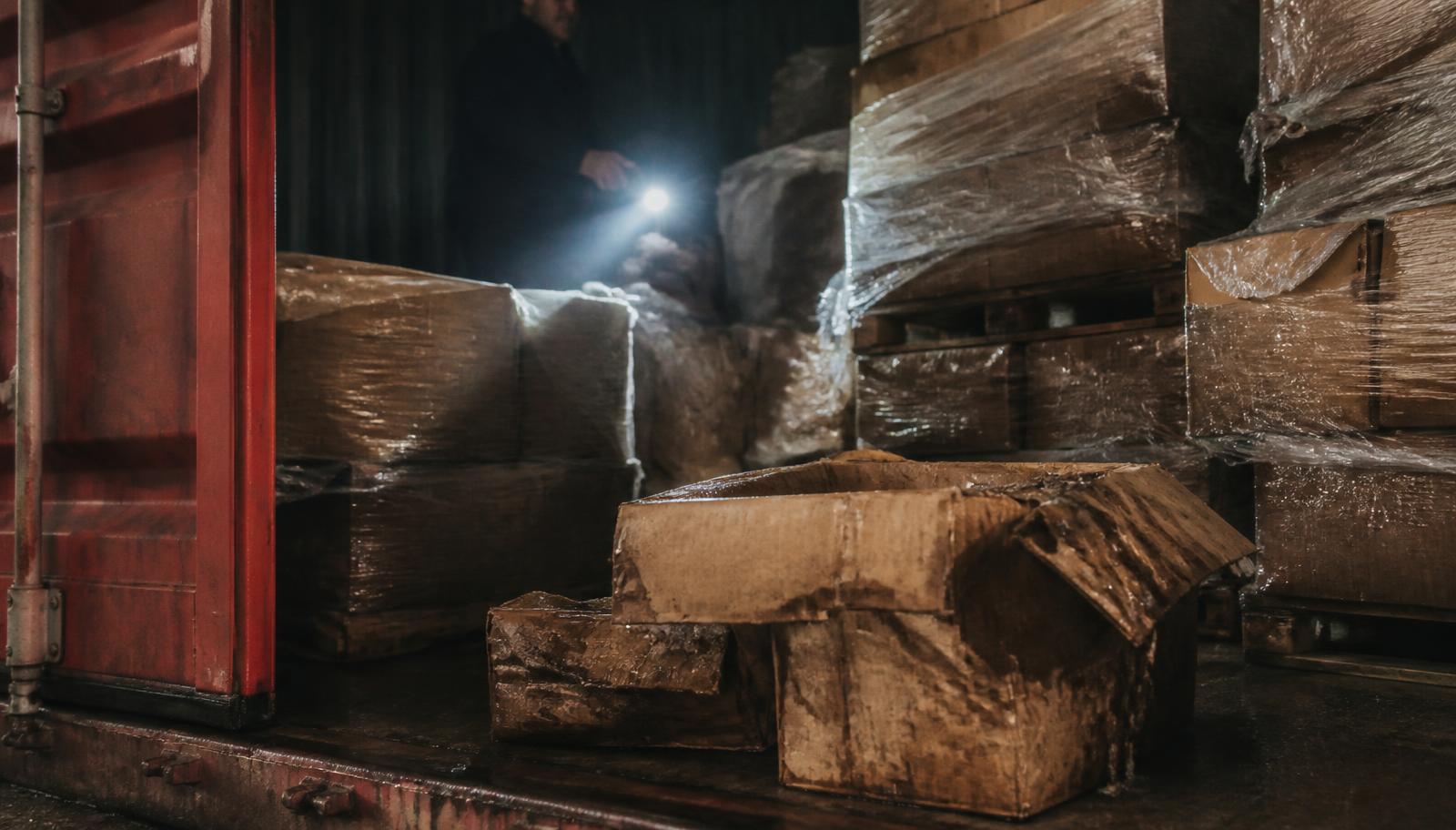
A rejection ends the original transaction, not necessarily the commercial value of the goods. The realistic options are usually direct purchase, placement with an alternative buyer, remarketing to a different international market, redirection to an alternative destination, or — where no commercial route remains — recovery, recycling or compliant disposal. Which applies depends on cargo condition, documentation, customs position and time exposure.
Who handles abandoned container cargo?
Abandoned or unclaimed containers require an authority position before any sale. Possession or storage of cargo does not automatically provide authority to sell it. Once ownership, title, authority to sell, customs position and contractual rights are established by the relevant parties, Pommer & Partners can evaluate commercial recovery of the cargo.
Can rejected cargo be sold to another international buyer?
Frequently, yes. Cargo lying in a transshipment hub is already in international transit, which often widens the range of realistic destinations beyond the original one. Suitability depends on cargo type, condition, documentation, regulatory requirements, logistics and commercial economics in the receiving market.
Who buys reefer-damaged cargo?
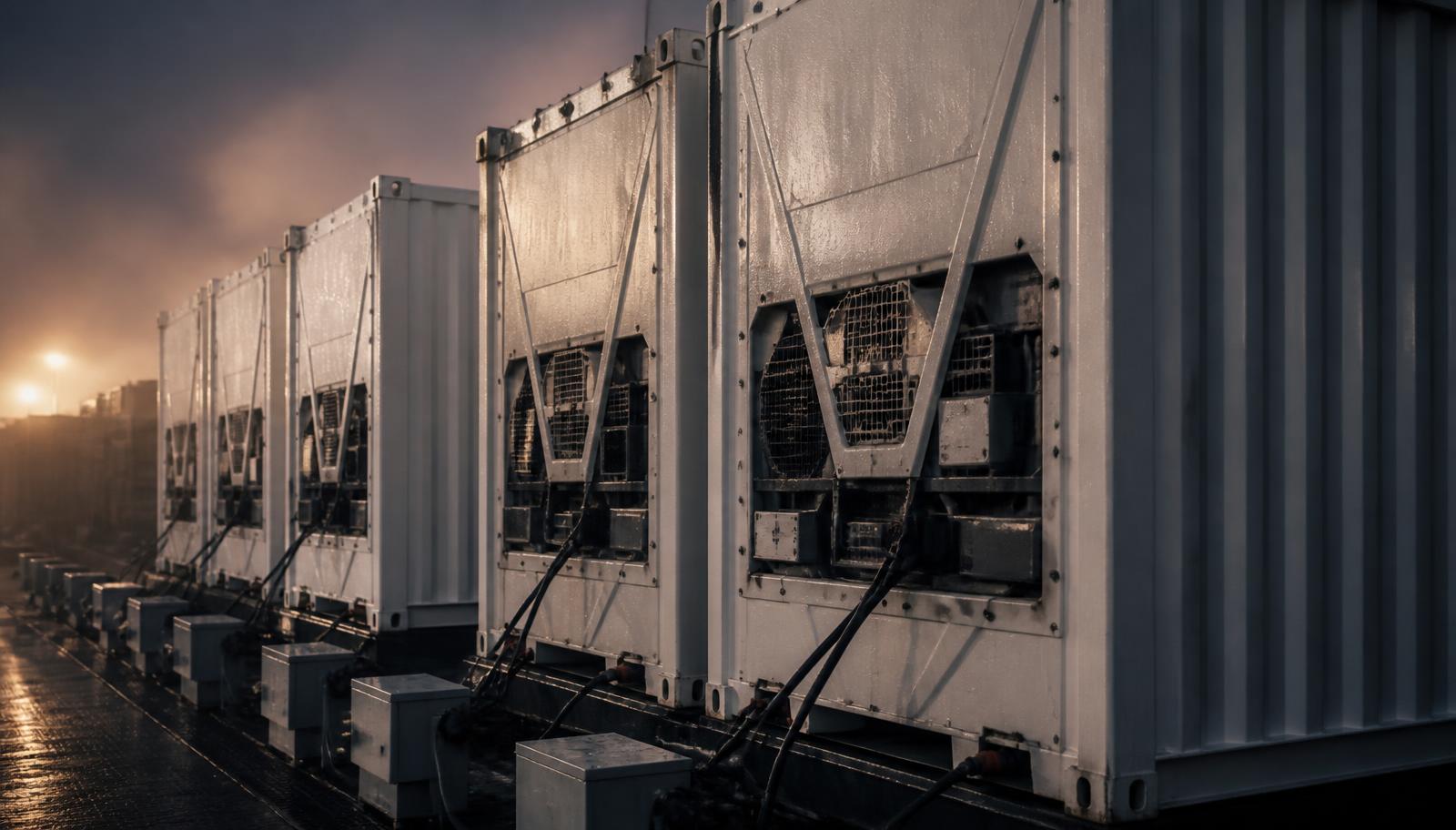
Cargo affected by a reefer failure or temperature excursion may still attract an alternative buyer, an industrial recovery route or a recycling outlet. Assessment normally requires temperature records, reefer data, survey findings, product condition, laboratory results and the duration of the deviation. Food or feed reuse must be confirmed separately against the applicable regulatory requirements. For stranded reefer transshipment cargo at Tanjung Pelepas, Pommer & Partners reviews the excursion timeline, supply and return-air records, available product-temperature evidence and onward booking. Set-point data alone do not establish product safety. Compare a permitted onward or alternative outlet with storage, reefer operation, handling and empty-return costs. Customs or transit status, carrier release and accepted container return require separate arrangements; neither sale nor devanning alone guarantees the end of detention. Cargo release and container-return responsibilities.
What if detention and storage costs are increasing?
Then the case is time-critical and should be assessed quickly. Container detention, storage, terminal charges, reefer electricity and handling accumulate daily and can consume the remaining cargo value entirely. The commercial objective is the highest net recovery after those costs, not the highest nominal cargo price.
Can Pommer & Partners coordinate recycling or disposal?
Yes, where commercial recovery routes are exhausted. Recycling and compliant disposal are coordinated with appropriately authorised providers and remain subject to waste, environmental, customs and product requirements in the relevant jurisdictions.
Does Pommer & Partners have an office at Tanjung Pelepas?
No. Pommer & Partners International Trading Limited is registered in Ireland. We do not operate an office, warehouse, terminal, depot, subsidiary or local employees in Malaysia. Tanjung Pelepas cases are handled through our own direct commercial activity and, where required, appropriately authorised local service providers.
Information on this page is general and not legal, customs or regulatory advice. Malaysian port, customs, import, licensing, food, feed, chemical, environmental and waste requirements must be confirmed with the competent authorities for the specific cargo before a route is agreed.