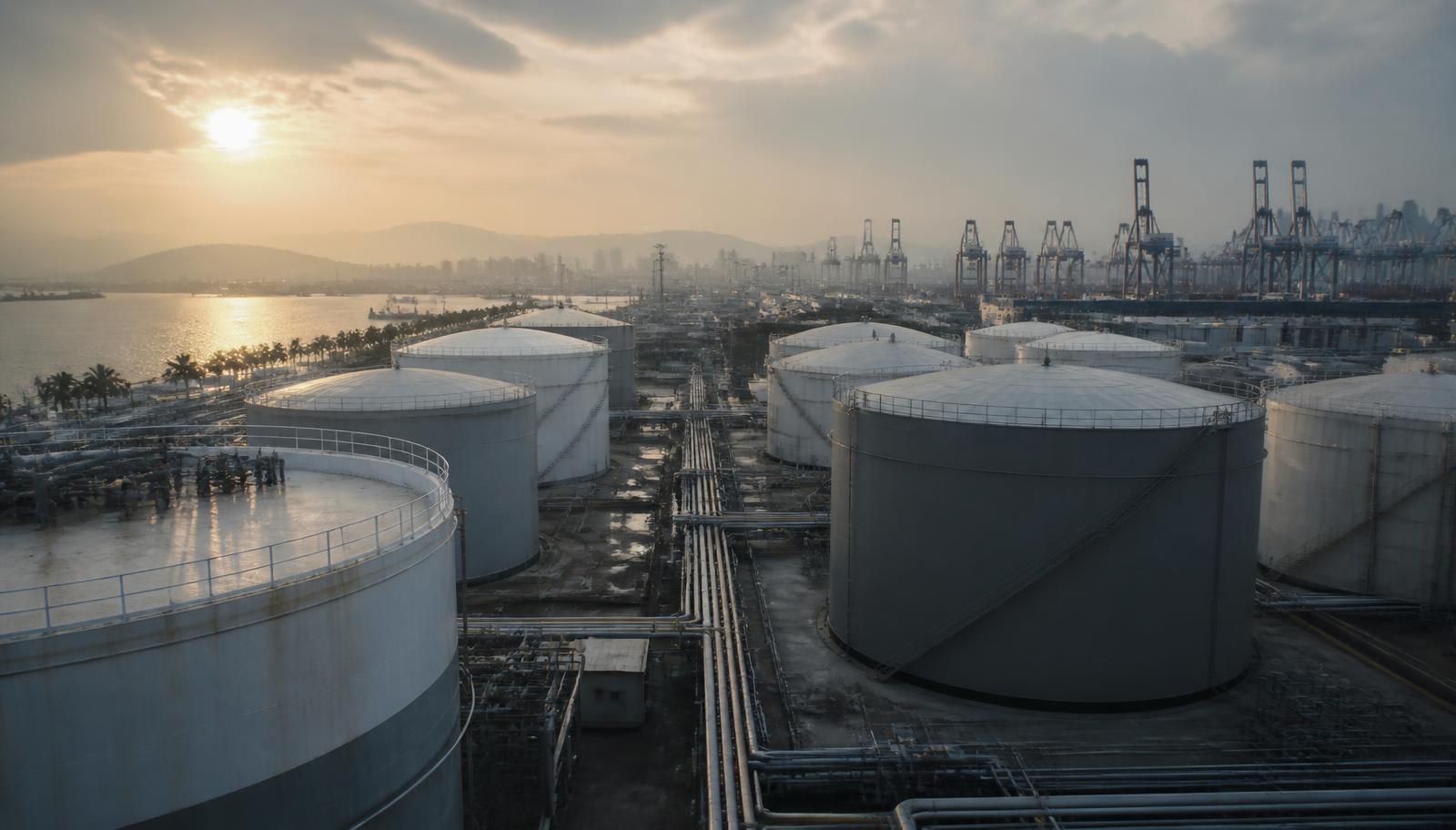
Who buys distressed cargo at Port Klang?
Specialist distressed-cargo buyers such as Pommer & Partners can evaluate cargo positioned at Port Klang for direct purchase, salvage sale, regional or international remarketing, industrial recovery, recycling or compliant disposal, subject to cargo condition, title, documentation, customs position and applicable Malaysian requirements.
Can Pommer & Partners purchase cargo directly in Malaysia?
In appropriate cases, yes. Pommer & Partners can act as principal buyer where ownership, authority to sell, documentation, customs status, sanctions screening and commercial terms allow. Where direct purchase is not appropriate, alternative buyer placement, remarketing, recovery, recycling or disposal routes can be evaluated instead.
Who buys rejected palm oil cargo?
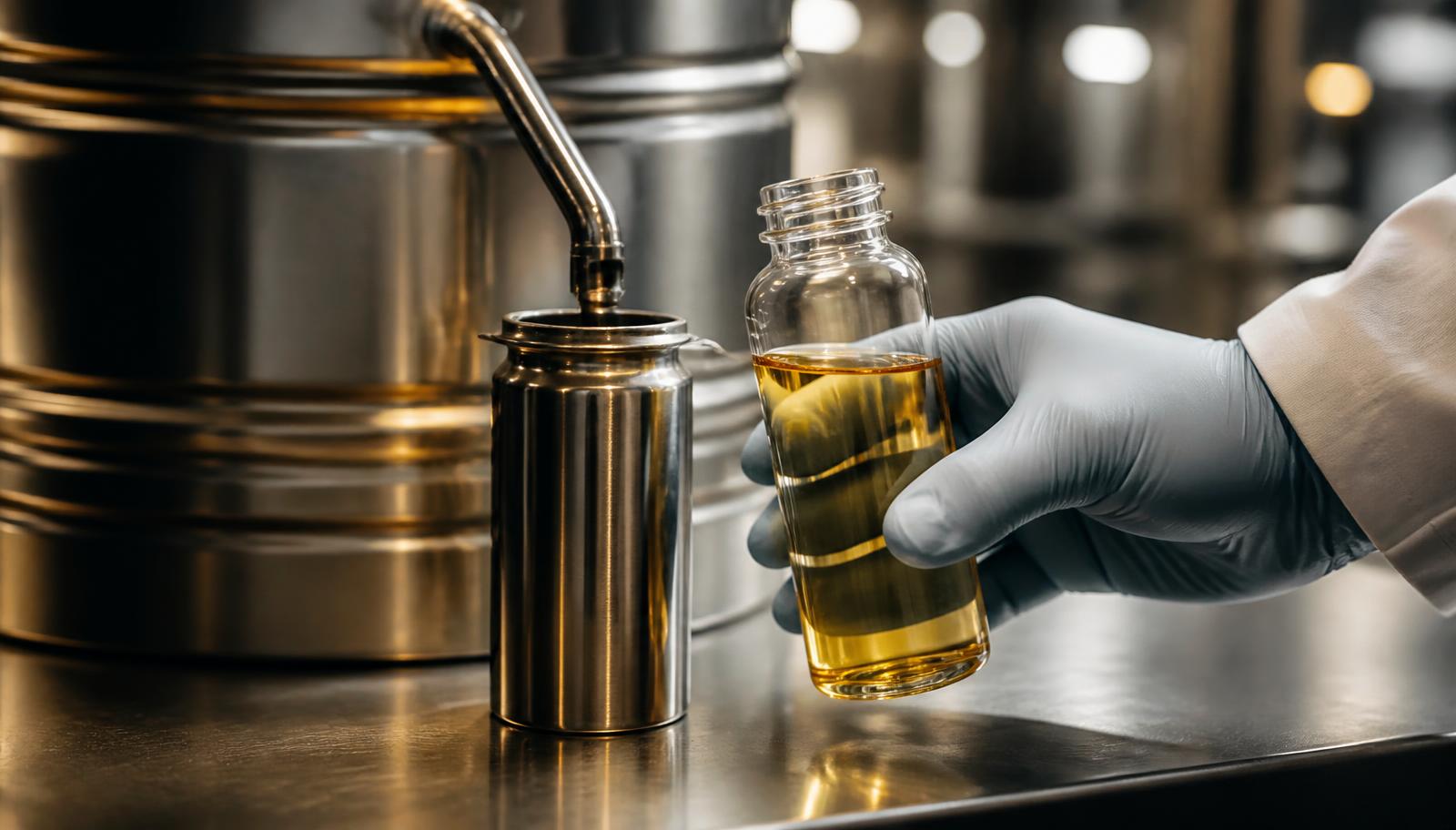
Rejected or disputed palm oil consignments are usually placed with commercial buyers who can assess the product on its actual analysis rather than its original contract. Pommer & Partners can evaluate crude and refined palm oil products, palm-derived products and other vegetable oils on the basis of specification, Certificate of Analysis, sampling and laboratory results. Suitability for any food or feed application must be confirmed separately by the competent authorities and by product-specific testing. For a tank or flexitank parcel at Port Klang, identify the oil or palm derivative, sampling points and dates, tank history and any suspected previous-cargo contamination. Relevant tests may include free fatty acids, oxidation indicators, moisture, impurities and identified contaminants, according to the proposed use. Pommer & Partners compares actual analysis with buyer specifications and transfer, cleaning, storage and freight costs. Rejection from edible use does not automatically permit feed or industrial placement. Oil and fat eligibility and intake evidence.
Who buys off-spec vegetable oil?
Off-spec vegetable oils, fats and related liquid agricultural products may attract alternative buyers, alternative industrial applications, reprocessing routes or, where no commercial route remains, recovery or compliant disposal. The outcome depends on the type and degree of the deviation, the contamination profile, tank history and the intended use in the receiving jurisdiction.
Who buys damaged container cargo at Port Klang?
Damaged, rejected, abandoned or unclaimed container cargo at Port Klang can often be placed with an alternative buyer or remarketed regionally before disposal is considered. Pommer & Partners evaluates the remaining commercial value of the goods first; a container affected by water ingress, packaging damage or a reefer failure is rarely a total loss in commercial terms.
Who buys distressed rubber cargo?
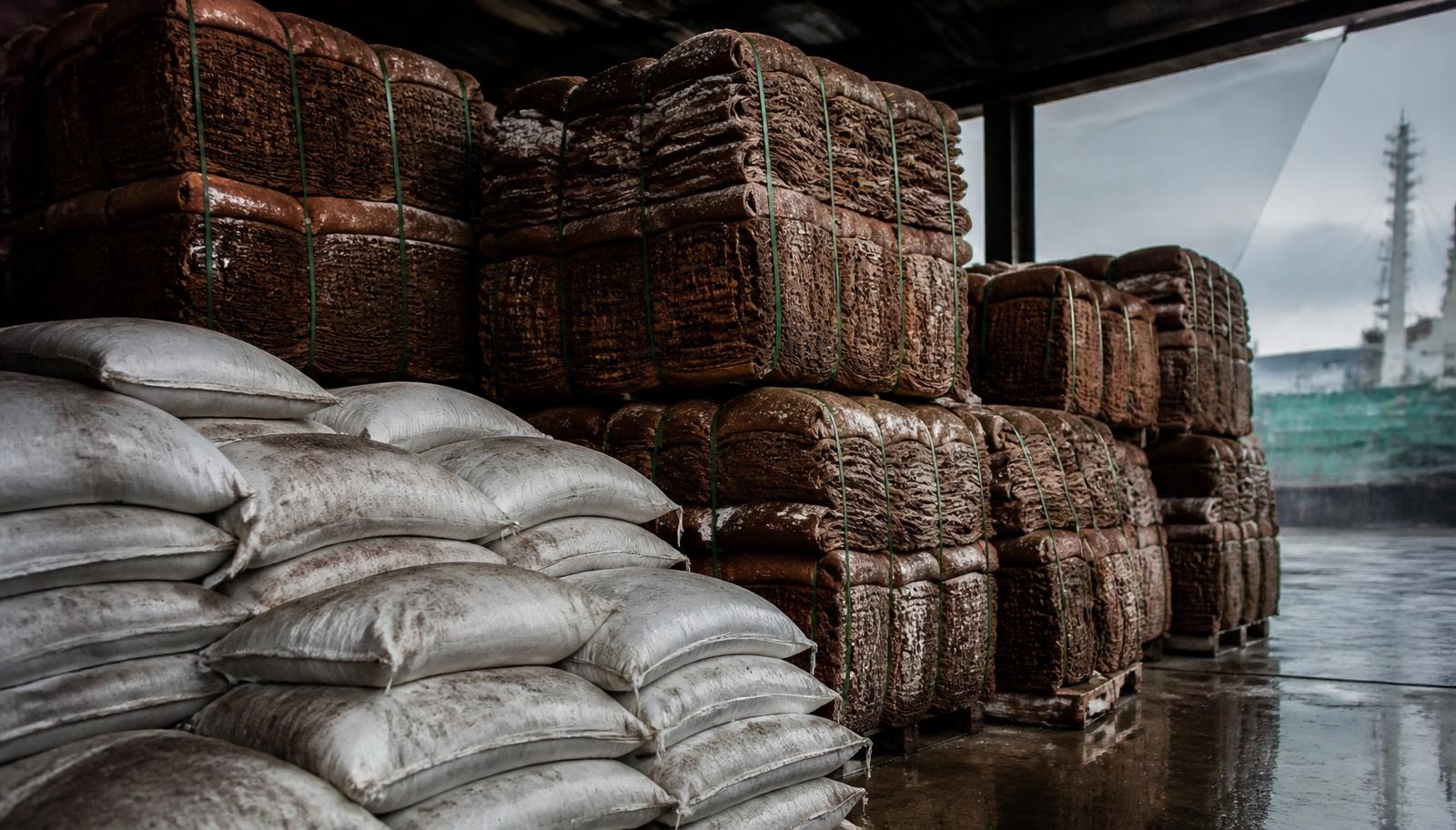
Natural rubber, rubber-related raw materials and industrial rubber products affected by contamination, water exposure, packaging damage or specification deviation may be sold as-is, placed with an alternative industrial buyer, reprocessed, recovered as material or recycled, depending on the actual condition of the consignment.
Can rejected food or agricultural cargo be remarketed?
Sometimes, but never automatically. Grain, rice, maize, feed ingredients, food ingredients and packaged food affected by moisture, mould, pest findings, mycotoxins, contamination or temperature damage require appropriate technical and regulatory assessment before any food or feed reuse can be considered. Where reuse is not permissible, the analysis moves to industrial recovery, recycling or compliant disposal.
Who buys off-spec polymers in Malaysia?
Off-spec polymers, plastic raw materials, chemical intermediates and industrial oils may find alternative industrial buyers, reprocessing routes or recycling outlets. Assessment normally requires the specification, SDS, COA, hazard classification and laboratory analysis, and regulated materials require appropriately authorised handling.
Can Pommer & Partners coordinate recycling or disposal?
Yes, where commercial recovery routes are exhausted. Recycling and compliant disposal are coordinated with appropriately authorised providers and remain subject to waste, environmental, customs and product requirements in the relevant jurisdictions.
Does Pommer & Partners have an office in Malaysia?
No. Pommer & Partners International Trading Limited is registered in Ireland. We do not operate an office, warehouse, terminal, tank facility, processing facility, subsidiary or local employees in Malaysia. Port Klang cases are handled through our own direct commercial activity and, where required, appropriately authorised local service providers.
Information on this page is general and not legal, customs or regulatory advice. Malaysian port, customs, import, licensing, food, feed, palm oil, chemical, environmental and waste requirements must be confirmed with the competent authorities for the specific cargo before a route is agreed.