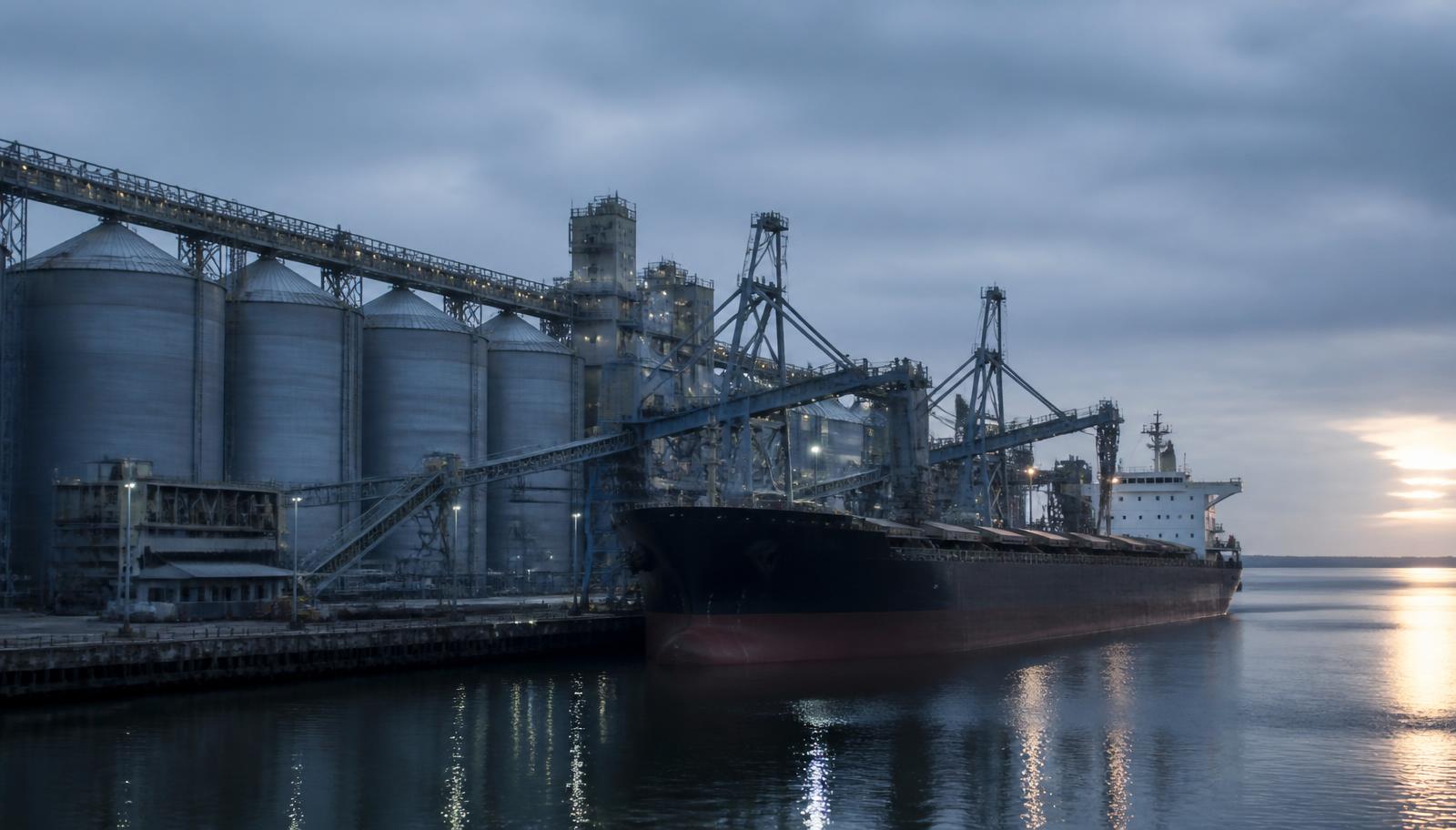
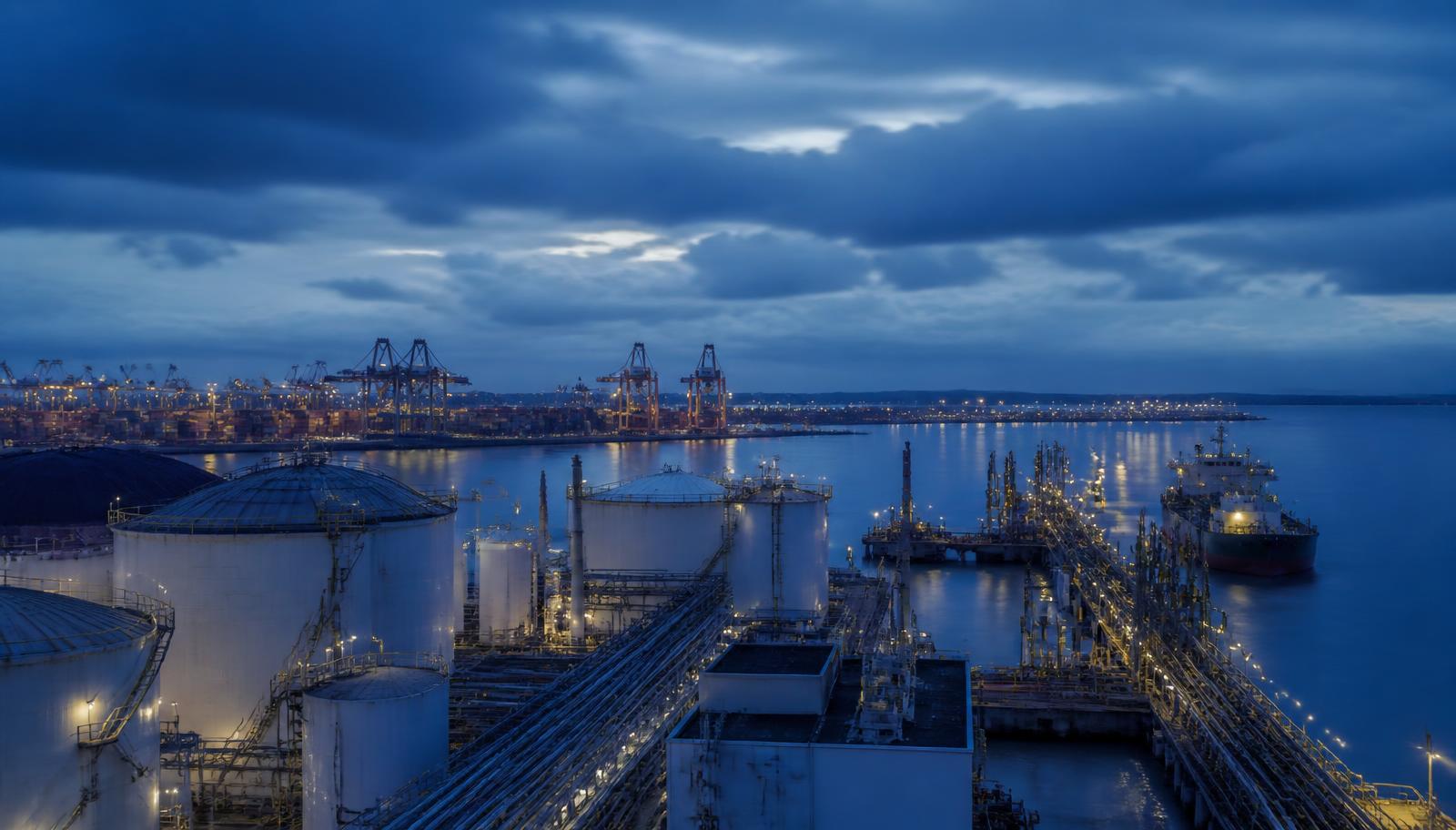
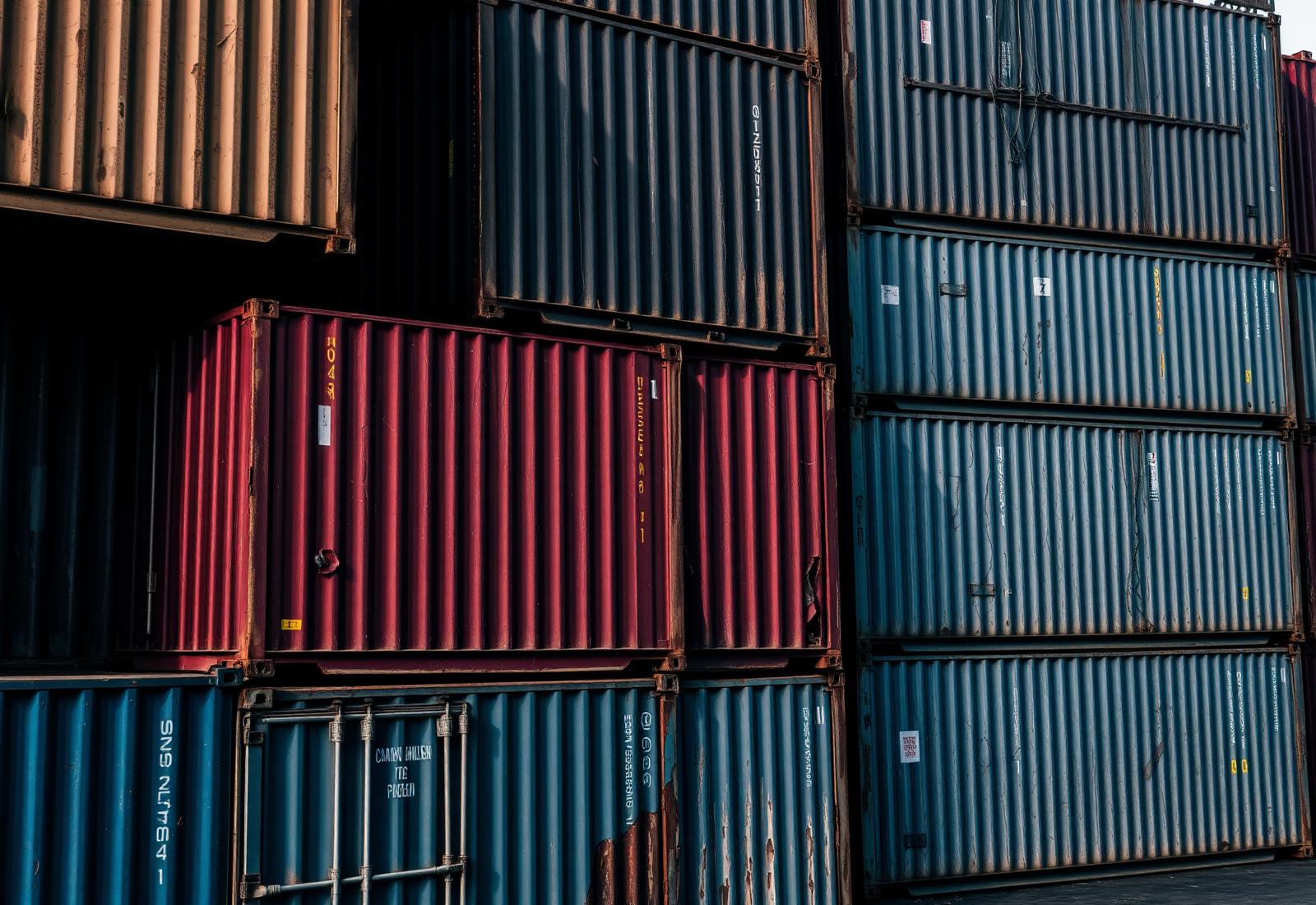
Rotterdam is one of Europe's most important cargo, trading, storage, processing and distribution hubs, and Europe's largest dry-bulk port. Cargo arriving there is rarely isolated from an alternative outlet: the same quay system serves traders, processors, blenders, feed and food industries, chemical plants, recyclers and energy producers.
That matters commercially. When a parcel can no longer continue to its originally intended market, the practical question is which other legally and technically permissible outlet is reachable — and Rotterdam's combination of cargo flows, processing industries, tank and silo capacity, and rail, barge and road connections into the European hinterland often means more than one route remains open.
Barge and rail access up the Rhine corridor also means a cargo that cannot be placed in the Netherlands may still reach a buyer or a receiving facility elsewhere in North-West Europe without a second sea voyage.
Rotterdam's combination of bulk cargo, agricultural processing, industrial activity, storage and European distribution infrastructure can create multiple potential recovery routes for distressed cargo.