Port of Hamburg · Germany · Northern Europe
Distressed Cargo Buyer &
Cargo Recovery at the Port of Hamburg
Commercial solutions for distressed, damaged, rejected, off-specification and otherwise problematic cargo at the Port of Hamburg and across Germany and Northern Europe.
Recover value. Reduce exposure. Release the asset.
Pommer & Partners is an international distressed cargo buyer and cargo recovery specialist. At the Port of Hamburg we work primarily on containerised consignments — the cargo that arrives packed, sealed and documented, and whose problem is usually discovered only when the doors are opened.
Depending on the cargo and the circumstances, we can evaluate purchase as principal, a salvage sale, remarketing, an alternative commercial use, industrial recovery, recycling, energy recovery or a compliant disposal route.
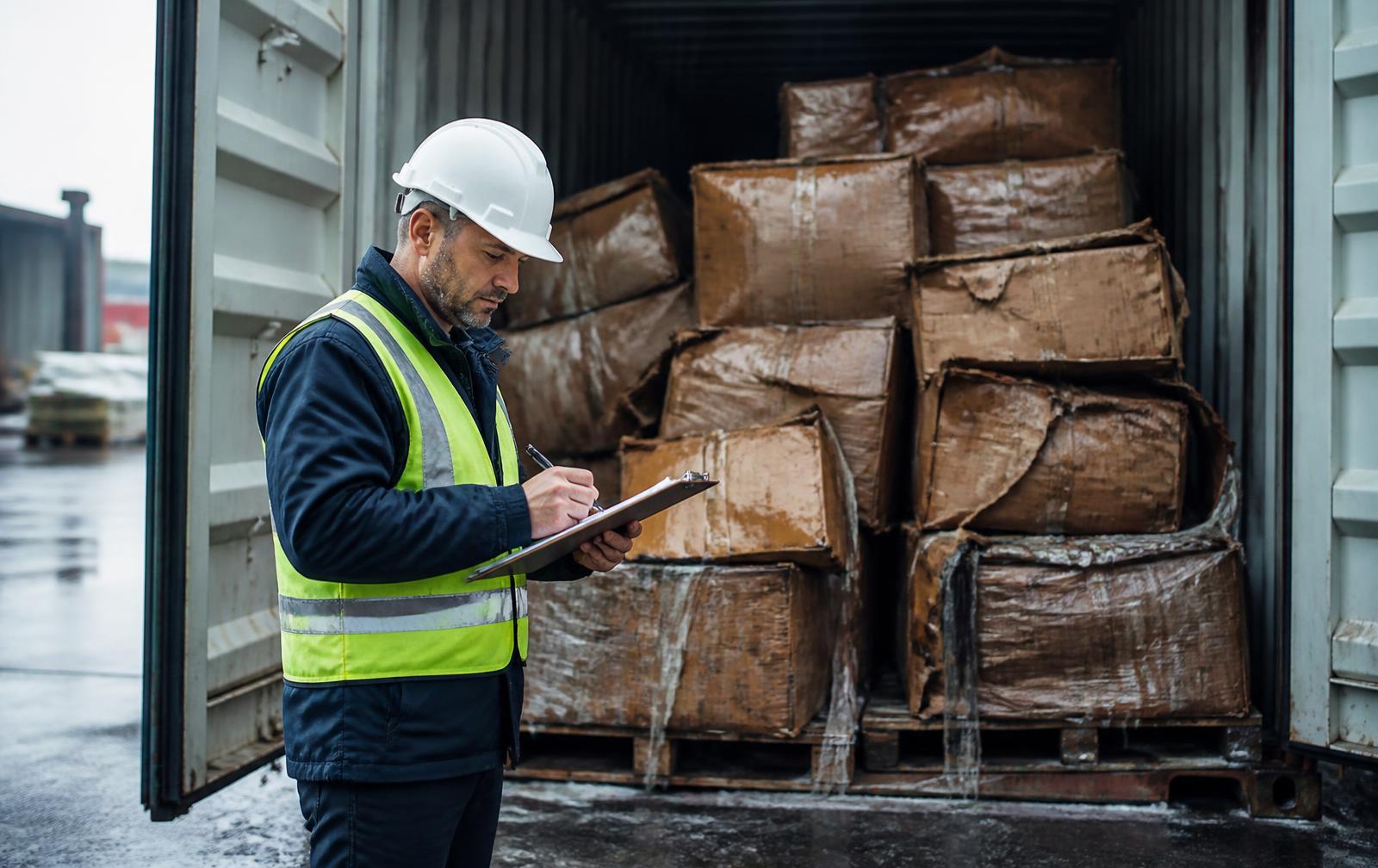
Port of Hamburg focus
A universal seaport with a warehouse behind every quay.
Hamburg is one of Northern Europe's principal seaports and a universal port: containers, breakbulk, bulk, project cargo and a long-established trade in food commodities all pass through it. It lies inland on the Elbe rather than on the open coast, and its historic strength has always been the combination of quay, warehouse, trading houses and rail hinterland reaching into Germany, Central and Eastern Europe.
For distressed cargo this matters in a very practical way. Cargo can be landed, de-stuffed, stored, surveyed, sampled, sorted and re-offered without leaving the port area, and the German import trade for food, coffee, cocoa and consumer goods sits close by. Cases here also tend to be documentation-heavy: customs status, warehouse position and insurance involvement often determine what is possible before the cargo's physical condition does.
Pommer & Partners International Trading Limited is registered in Ireland. We do not own or operate a Hamburg office, warehouse, terminal, processing facility or subsidiary, and we employ no local staff. The Port of Hamburg is a service area; local execution is arranged with appropriately authorised third-party providers.
Cargo we see here most often
- Containerised cargo
- Food and food ingredients
- Coffee and cocoa
- Agricultural commodities
- Metals
- Machinery
- Industrial products
- Chemicals
- Consumer goods
- Warehouse cargo
- Customs-controlled cargo
Primary specialisation · containers
Distressed Container Cargo at the Port of Hamburg
A container case is rarely a single question. One box may hold sound cargo, partially wetted cargo and total loss in the same stow, and the commercial answer depends on how much of it can be separated, how quickly, and at what handling cost.
Hamburg's de-stuffing, storage and sorting capacity means that separation is usually physically possible. What decides the case is the clock: detention and storage accrue from day one, while title, customs status and the insurer's position are still being established.
Recovery hierarchy
Direct purchase → Remarketing → Alternative use → Recovery → Recycling → Compliant disposal
Situations covered
- Water ingress
- Seawater damage
- Container damage
- Reefer failure
- Temperature excursions
- Damaged packaging
- Cargo shifting
- Rejected imports
- Cancelled orders
- Customs problems
- Abandoned containers
- Unclaimed cargo
- Storage and detention exposure
- Cargo requiring urgent removal
Insurance salvage · Germany
Distressed & Salvage Cargo at the Port of Hamburg
Pommer & Partners purchases and recovers damaged, rejected, marine-average and otherwise problematic consignments. We work with insurers, average adjusters and commissioners, surveyors, shipowners and lines, forwarders, importers and cargo owners.
Depending on the cargo and the damage pattern, we can:
- purchase the cargo as principal
- structure a salvage sale
- identify alternative buyers
- evaluate alternative commercial applications
- coordinate recycling or industrial recovery
- coordinate a compliant disposal solution
If you need to sell distressed or salvage cargo in Hamburg, contact us as early as possible: storage, demurrage and detention continue to accrue while the recovery route is being decided. The best commercial outcome is often not the highest headline price, but the fastest workable solution.
Any recovery requires a clarified ownership and right-of-disposal position and compliance with the applicable customs, food, dangerous goods and waste regulations. We do not provide legal advice.
Typical cases
- Transit damage
- Cargo damage
- Damaged consignments
- Distressed goods
- Insurance salvage
- Rejected deliveries
- Marine casualty and average cargo
- Cargo recovery after a loss event
Salvage sales, cargo recovery and disposal are always assessed case by case — depending on the cargo, its condition, the documentation and the legal position.
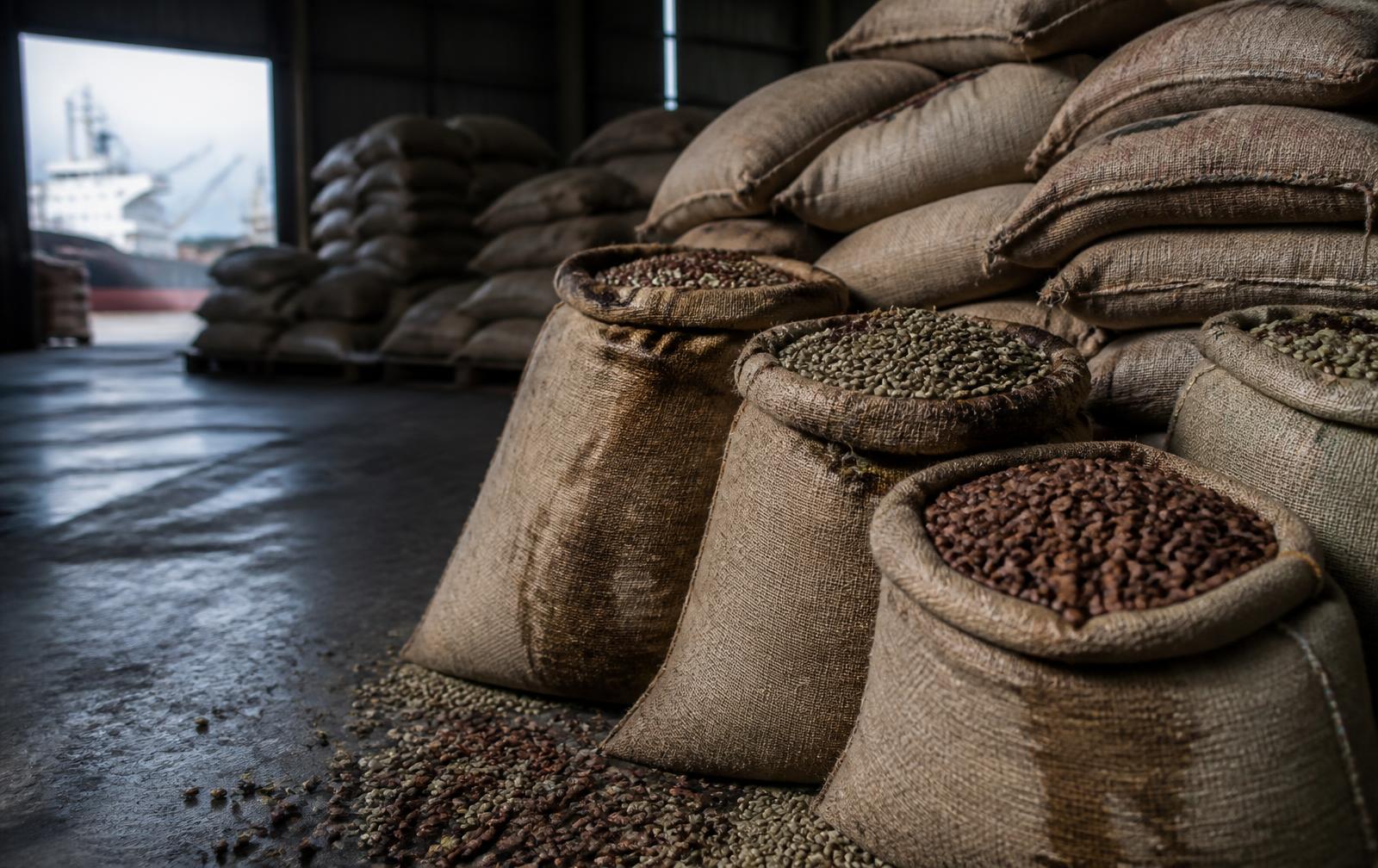
Food, coffee, cocoa & agricultural cargo
Distressed Food & Agricultural Cargo
Hamburg has a long-standing import and warehousing trade in coffee, cocoa and other food commodities, and these cargoes carry their own damage profile. Sacked coffee and cocoa react quickly to moisture and condensation, and taint or odour transfer inside a container can affect a parcel that is otherwise physically intact.
Whether any food or feed use remains open is not a commercial judgement. It depends on the cargo's documented condition, laboratory analysis — moisture, mould, mycotoxins, foreign matter — and the applicable German and EU food and feed regulation, including traceability and approval requirements.
Rejected food does not automatically become feed.
Cargo covered
- Coffee
- Cocoa
- Grain
- Maize / corn
- Wheat
- Feed ingredients
- Vegetable oils
- Food ingredients
- Packaged foods
- Agricultural raw materials
Typical problems
- Moisture
- Water damage
- Mould
- Odour
- Pest infestation
- Mycotoxins
- Temperature damage
- Packaging damage
- Specification failure
- Contamination
- Rejection
Reefer & temperature damage
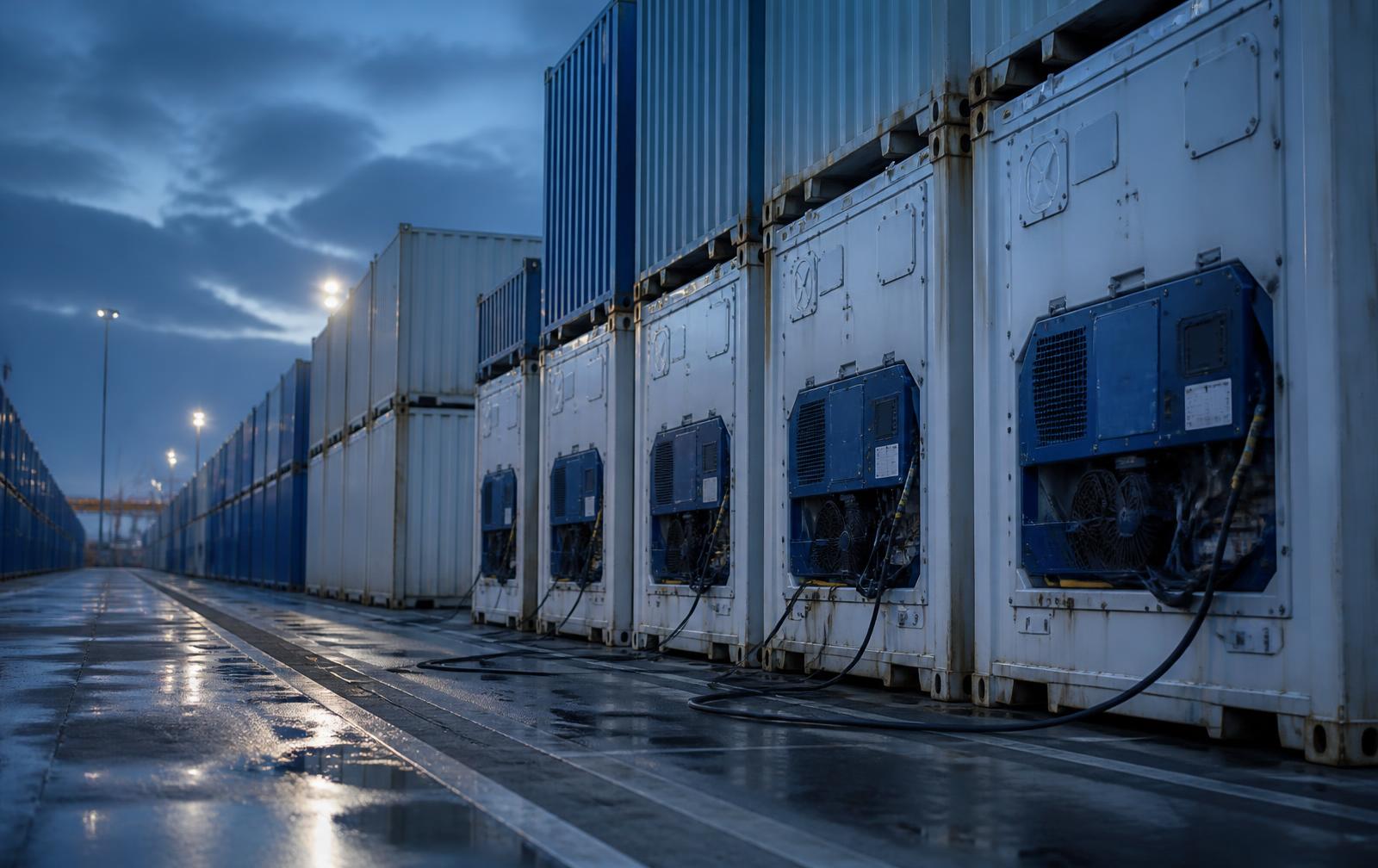
Reefer Failure & Temperature-Damaged Cargo
Reefer cases are decided by the data before they are decided by the cargo. A short excursion inside tolerance, a set-point entered incorrectly at origin and a complete unit failure during a plug-out produce very different commercial positions, even where the product looks identical on opening.
Temperature records, the survey findings, the product's own tolerance and the applicable regulatory requirements together determine what commercial use remains. Cold-store capacity within the port area is often the decisive practical factor, because a decision delayed is frequently a decision made.
Potential routes, depending on the product
Cargo covered
- Frozen food
- Chilled food
- Ingredients
- Temperature-sensitive products
- Other refrigerated cargo
Typical causes
- Reefer malfunction
- Power interruption
- Incorrect temperature setting
- Delay
- Container damage
Metals, machinery & industrial cargo
Damaged Metals, Machinery & Industrial Cargo
German industrial exports and imports move through Hamburg in containers, in flat racks and as breakbulk, and damage is frequently caused by handling, lashing failure or moisture inside the box rather than by the sea passage itself.
Machinery and equipment cases turn on whether function can be restored and certified; metals cases turn on remaining specification and the cost of reconditioning against scrap value. Both usually require inspection before any route can be confirmed.
Potential recovery
Cargo covered
- Steel
- Metal products
- Machinery
- Equipment
- Industrial components
- Raw materials
- Packaged industrial products
Typical issues
- Seawater exposure
- Corrosion
- Handling damage
- Packaging damage
- Impact damage
- Specification disputes
- Rejected delivery
Chemical & off-spec industrial cargo
Off-Spec Chemicals & Industrial Materials
Packaged chemical and industrial material also reaches Hamburg in containers, and a rejection is often triggered by a documentation or specification issue rather than by visible damage.
Every such case requires product-specific assessment. Nothing can be assumed from the commodity name alone, and we do not imply unrestricted handling, movement or disposal of regulated material.
Documentation required where applicable
- SDS / Safety Data Sheet
- Certificate of Analysis
- Specification
- Hazard classification
- Laboratory results
Products
- Chemicals
- Polymers
- Plastic raw materials
- Industrial oils
- Fertilisers
- Industrial raw materials
Handling remains subject to hazard classification, transport, environmental and waste regulation and to the use of appropriately authorised facilities and carriers.
Warehouse & customs cargo
Cargo Stuck in Storage or Customs
A large logistics port accumulates cargo that nobody is actively moving: consignments left in bonded or free-circulation storage after a buyer walks away, goods caught by an import rejection, stock frozen by an insolvency, or containers simply never collected.
These files are commercially straightforward once one thing is resolved. Ownership, the authority to sell and the customs status of the goods must be clarified before any transaction can proceed — we do not purchase or place cargo where that position is unclear.
Where it is clear, the storage clock usually argues for a quick, complete solution rather than a slow search for the highest theoretical price.
Situations covered
- Long-term storage
- Unclaimed goods
- Abandoned cargo
- Customs problems
- Insolvency
- Cancelled transactions
- Import rejection
- Storage-cost escalation
Time exposure
Cargo Problem Holding Up a Vessel or Terminal Operation?
The overall economic loss in a cargo case is almost never limited to the cargo. It accumulates through delay, handling, storage and, at the end, the cost of whatever cannot be sold.
The highest nominal cargo price is not necessarily the best overall recovery.
Pommer & Partners evaluates the complete commercial outcome.
Where cost accumulates
- Vessel delay
- Demurrage
- Storage
- Detention
- Terminal charges
- Handling
- Survey costs
- Additional logistics
- Disposal costs
How we handle the case
From case receipt to execution.
Case received
We take the basic commercial picture:
- Product
- Quantity
- Terminal or warehouse
- Container or vessel reference
- Cargo problem
- Time constraint
Documentation review
We review, where available:
- Survey report
- Temperature records for reefer cargo
- Laboratory analysis
- Specification, COA and SDS where relevant
- Photographs
- Cargo and customs documents
- Information concerning ownership and authority to sell
Commercial & regulatory assessment
We evaluate:
- Remaining commercial value
- Alternative buyers and markets
- Recovery and recycling routes
- Customs and title position
- German and EU regulatory constraints
- Storage, detention and disposal exposure
Solution
Depending on the case:
Execution
We coordinate the selected route with the cargo interests and, where required, appropriately authorised local service providers.
Submission information
Cargo Currently at the Port of Hamburg?
Send what you have. A case can normally be assessed on partial information, and missing documents can follow.
Please include
- Commodity / product
- Quantity
- Terminal / warehouse / location
- Vessel or container information where relevant
- Cargo condition
- Reason for damage / rejection
- Survey report
- Laboratory analysis
- Photographs
- SDS / COA where relevant
- Time constraint
- Commercial expectation
- Ownership / title information where relevant
Port of Hamburg questions
Frequently asked questions.
Who buys distressed cargo at the Port of Hamburg?
Distressed cargo in Hamburg is normally handled by specialist buyers rather than by the ordinary trade. Pommer & Partners is an international distressed cargo buyer and cargo recovery specialist and can evaluate direct purchase, salvage sale, remarketing and alternative recovery routes depending on the cargo, its condition and the legal position.
Who buys salvage and average cargo in the Port of Hamburg?
Pommer & Partners purchases and recovers damaged, rejected and marine-average consignments. Depending on the cargo, the damage pattern and the legal position, we evaluate purchase as principal, a structured salvage sale, remarketing to alternative buyers, industrial recovery and recycling, or compliant disposal.
Can Pommer & Partners purchase damaged cargo directly?
Yes. Depending on the case, Pommer & Partners can act as principal buyer, which allows cargo interests and insurers to close a file with commercial certainty.
Who buys water-damaged container cargo?
Water-damaged container cargo is usually bought by specialist salvage buyers who can assess partial damage, sort and re-offer the sound proportion and handle the balance through recovery, recycling or disposal. Assessment normally requires a survey report and photographs.
Who buys damaged coffee or cocoa?
Damaged coffee and cocoa require case-specific evaluation, since moisture, mould, odour, pest infestation and mycotoxin findings determine which applications remain permissible. Pommer & Partners can evaluate purchase and alternative commercial routes on the basis of laboratory analysis and survey findings.
Can rejected food be used for animal feed?
Not automatically. Any feed application depends on the actual documented condition of the cargo, laboratory analysis and the applicable German and EU food and feed regulations.
Who buys damaged machinery or steel?
Damaged machinery, steel and industrial equipment can potentially be placed with alternative industrial buyers, reconditioners, secondary-market buyers or material-recovery routes, depending on the extent of corrosion or physical damage. Inspection is normally required first.
What happens to abandoned container cargo?
Abandoned or unclaimed cargo can often still be commercialised, but ownership, authority to sell and customs status must be clarified before any transaction can proceed. Once that is resolved, the usual routes are sale, remarketing, recovery, recycling or compliant disposal. For water-damaged containers, reefer lots or warehouse stock connected with Hamburg, establish the customs procedure and current custody alongside the goods’ condition. Pommer & Partners compares net bids after terminal storage, devanning, inspection, onward transport and empty-return costs, including continuing reefer costs where relevant. A private sale under customs control may be possible without clearance; release and movement remain separate. Buyer–seller cost allocation does not itself discharge carrier or terminal claims, and title transfer does not automatically stop charges. Container release, return and third-party obligations.
Can Pommer & Partners arrange recycling or disposal?
Pommer & Partners can coordinate recycling, material recovery and compliant disposal solutions where required, subject to waste classification, environmental requirements and the use of appropriately authorised facilities.
Can urgent vessel-related cargo cases be handled?
Urgent cases can be evaluated on the basis of the available documentation, cargo location, condition and commercial constraints. Send the case by email and mark it urgent.
Does Pommer & Partners have an office in Hamburg?
No. Pommer & Partners International Trading Limited is registered in Ireland and handles German and Northern European cases through its own direct commercial activity and, where required, appropriately authorised local service providers. The Port of Hamburg is a service area, not a company location.
Trust & compliance
Commercial, but always within the rules.
Transactions and services are subject to verification and applicable regulation, including:
- Ownership and title verification
- Applicable customs requirements
- Sanctions and compliance checks
- Environmental and waste regulations
- Local laws
- Cargo-specific regulatory requirements
Purchases and sales require evidence of ownership and authority to sell, or the written authority of the insurer or party entitled to dispose of the cargo. Recovery, recycling and disposal routes depend on waste classification and on applicable environmental, transport and customs rules in the countries involved. Potential alternative use of food or agricultural cargo, including animal-feed applications, depends on cargo condition, laboratory results and applicable food and feed legislation, and is only pursued where the competent authorities and the relevant rules allow it.
Pommer & Partners acts as buyer, principal and recovery specialist for distressed cargo at this port and worldwide. See Cargo recovery specialists and Damaged cargo buyers.
Related
Distressed Cargo Buyer
We buy damaged, rejected and abandoned cargo as principal, AS IS, WHERE IS.
Cargo Recovery Companies
How cargo recovery companies, consultants and salvage buyers differ.
Distressed Cargo
Buyers & recovery specialists worldwide.
Abandoned Cargo Buyers
Worldwide buyers of abandoned, unclaimed and stranded cargo.
Abandoned Container Cargo
Solutions for cargo inside abandoned and unclaimed containers.
Unclaimed Cargo
Shipments never collected or claimed by the consignee.
Refused Cargo Buyers
Consignments refused on arrival by receivers or authorities.
Marine Cargo Salvage
Salvage sales and cargo recovery at sea and in port.
Rejected & Off-Spec Cargo
Solutions for rejected and off-specification consignments.
Damaged Cargo Buyers
Wet, contaminated and heat-affected consignments.
Agricultural Commodities
Distressed grain, feed and vegetable oils.
Distressed Agricultural Cargo
Damaged, rejected and off-spec agricultural commodity salvage.
Damaged Grain & Corn Salvage
Grain, corn and maize cargo damaged or rejected at destination.
Red Sea & Middle East Recovery
Cargo recovery across the Red Sea, Gulf and East Africa.
Cargo Remarketing
International salvage sales and buyer placement.
Cargo Recovery & Recycling
Material and energy recovery routes.
Cargo Disposal & Destruction
When no commercial market remains.
Case Studies
How cargo cases are structured and resolved.
Submit cargo details
Distressed cargo at the Port of Hamburg? Send us the case.
Send us the cargo details, location, quantity, condition and available survey information for an initial assessment.
contact@pommerpartners.com