Port of Salalah · Oman

Distressed Cargo Buyer & Cargo Recovery
at the Port of Salalah

Commercial solutions for distressed, damaged, rejected, off-specification and commercially stranded cargo at the Port of Salalah and across Arabian Sea and Indian Ocean trading routes.

Pommer & Partners provides commercial solutions for distressed, damaged, rejected, off-specification and commercially stranded cargo at the Port of Salalah and across Arabian Sea and Indian Ocean trading routes.

Depending on cargo condition, ownership, documentation, regulatory status, logistics and commercial circumstances, Pommer & Partners can evaluate:

  • Direct purchase as principal
  • Salvage sale
  • Alternative buyer placement
  • Regional remarketing
  • International remarketing
  • Alternative destination
  • Industrial recovery
  • Recycling
  • Compliant disposal

Recover value. Reduce exposure. Release the asset.

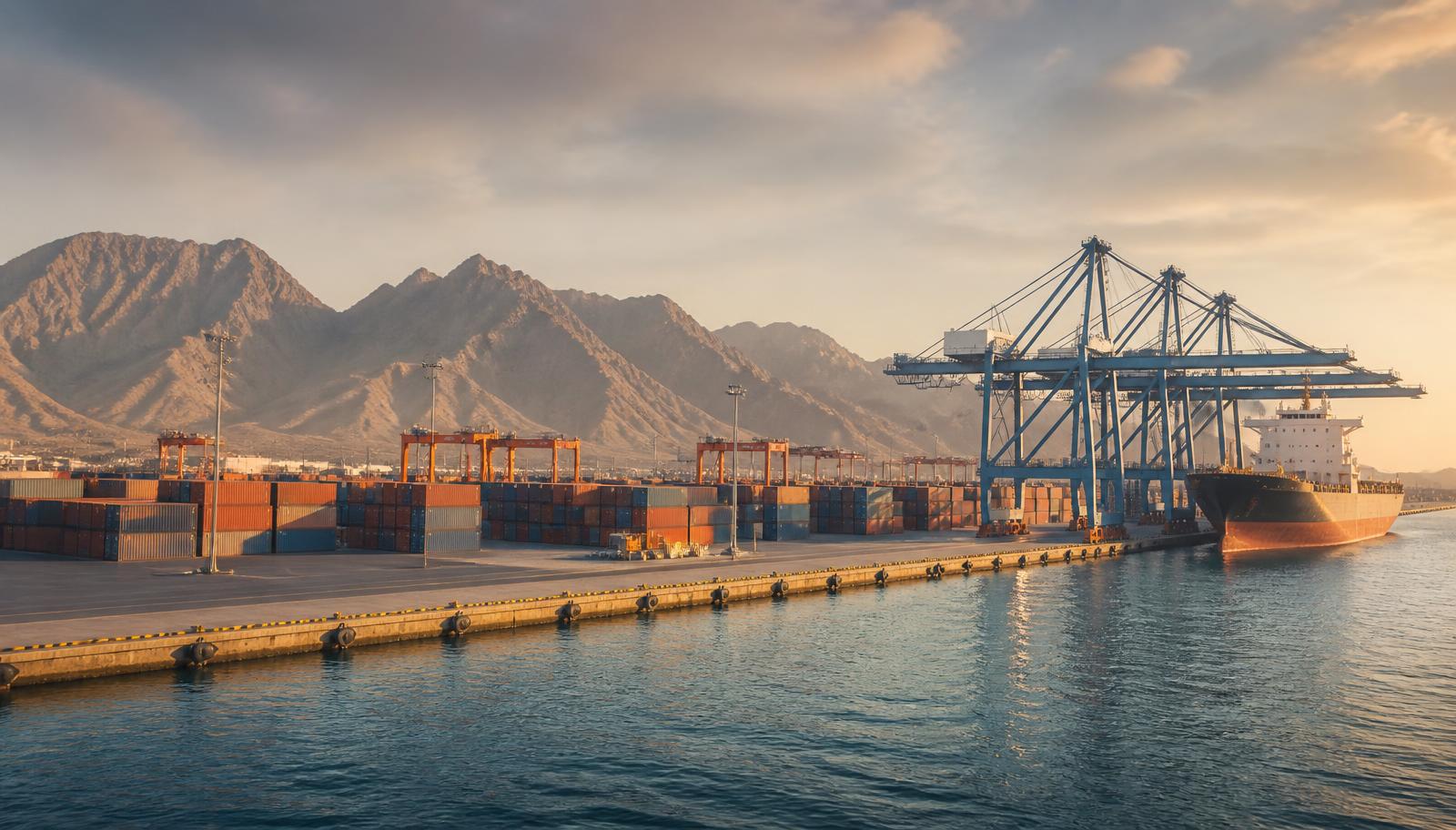
Arid Arabian coastline container terminal at first light with unbranded containers, gantry cranes and desert mountains behind

Illustrative image · no third-party branding

Why Salalah

An Arabian Sea Junction — Container, Transshipment and Bulk Cargo in One Place

Salalah sits on Oman’s southern coast, directly on the Arabian Sea, outside the Strait of Hormuz and close to the main east–west shipping lane. It handles both container transshipment and dry bulk trades, which is unusual and commercially relevant: a distressed case here can just as easily involve a stack of unclaimed boxes as a part-cargo of grain or minerals in a vessel hold.

Its position also opens routes that a Gulf-interior port does not. Cargo held at Salalah faces the Middle East, East Africa, South Asia and the wider Indian Ocean at comparable distance, so an alternative destination is often a genuine commercial question rather than a theoretical one.

Distressed-cargo situations we are asked to look at here include:

  • Transshipment cargo
  • Stranded containers
  • Rejected cargo
  • Abandoned or unclaimed cargo
  • Food and agricultural commodities
  • Dry bulk cargo
  • Industrial raw materials
  • Reefer cargo
  • Marine casualty cargo
  • Cargo requiring an alternative buyer or destination

We do not publish port rankings, throughput figures or cargo volumes. Procedures, customs treatment, licensing and local requirements should be confirmed for the specific consignment with the Port of Salalah, Oman Customs and the other competent Omani authorities.

Priority focus at Salalah

  1. 01Arabian Sea transshipment
  2. 02Stranded container cargo
  3. 03Agricultural & food commodities
  4. 04Dry bulk & industrial cargo
  5. 05East Africa / Middle East remarketing
  6. 06Reefer cargo
  7. 07Marine salvage

Transshipment

Distressed Transshipment Cargo at Salalah

Cargo moving through international shipping routes can become commercially distressed while the goods themselves remain entirely usable. What fails is the transaction, the paperwork or the destination — and the cargo simply stops at the point where it happened to be.

Common causes include:

  • Buyer rejection
  • Buyer default
  • Cancelled transaction
  • Destination problems
  • Documentation discrepancies
  • Cargo damage
  • Specification disputes
  • Customs complications
  • Commercial abandonment
  • Storage exposure
  • Changes in market conditions

Potential routes may include:

Direct purchaseAlternative buyerInternational remarketingAlternative destinationIndustrial recoveryRecyclingCompliant disposal

All routes remain subject to applicable:

  • Ownership / title
  • Authority to sell
  • Customs
  • Sanctions
  • Regulatory requirements
  • Import / export requirements
  • Logistics feasibility

Containers

Stranded or Rejected Container Cargo at Salalah?

Relevant situations include:

  • Buyer refuses delivery
  • Buyer insolvency
  • Cancelled order
  • Destination problem
  • Water ingress
  • Container damage
  • Packaging damage
  • Unclaimed container
  • Commercial abandonment
  • Long-term storage
  • Detention exposure
  • Cargo requiring urgent alternative instructions

Time matters commercially. A container that stops moving does not hold its value still — it begins consuming it, daily, through charges that continue whether or not a decision is taken.

Potential exposure may include:

  • Container detention
  • Storage
  • Terminal charges
  • Handling
  • Survey costs
  • Additional logistics
  • Cargo deterioration
  • Disposal costs

The value of a distressed cargo should be assessed against the cost of delay.

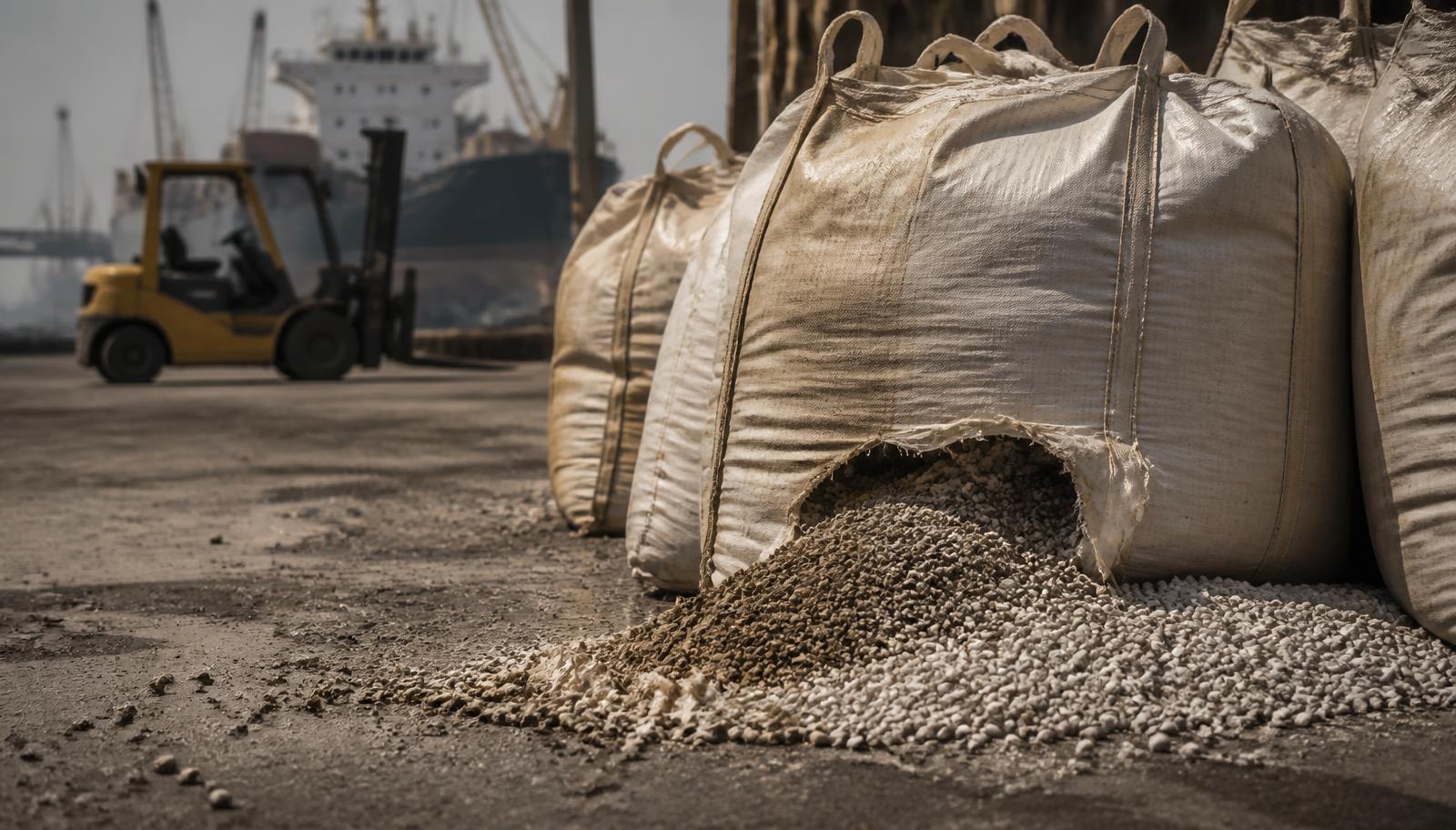
Torn unmarked big bags of fertiliser and mineral granules spilled on a dusty port apron with a forklift in the background

Illustrative image · no third-party branding

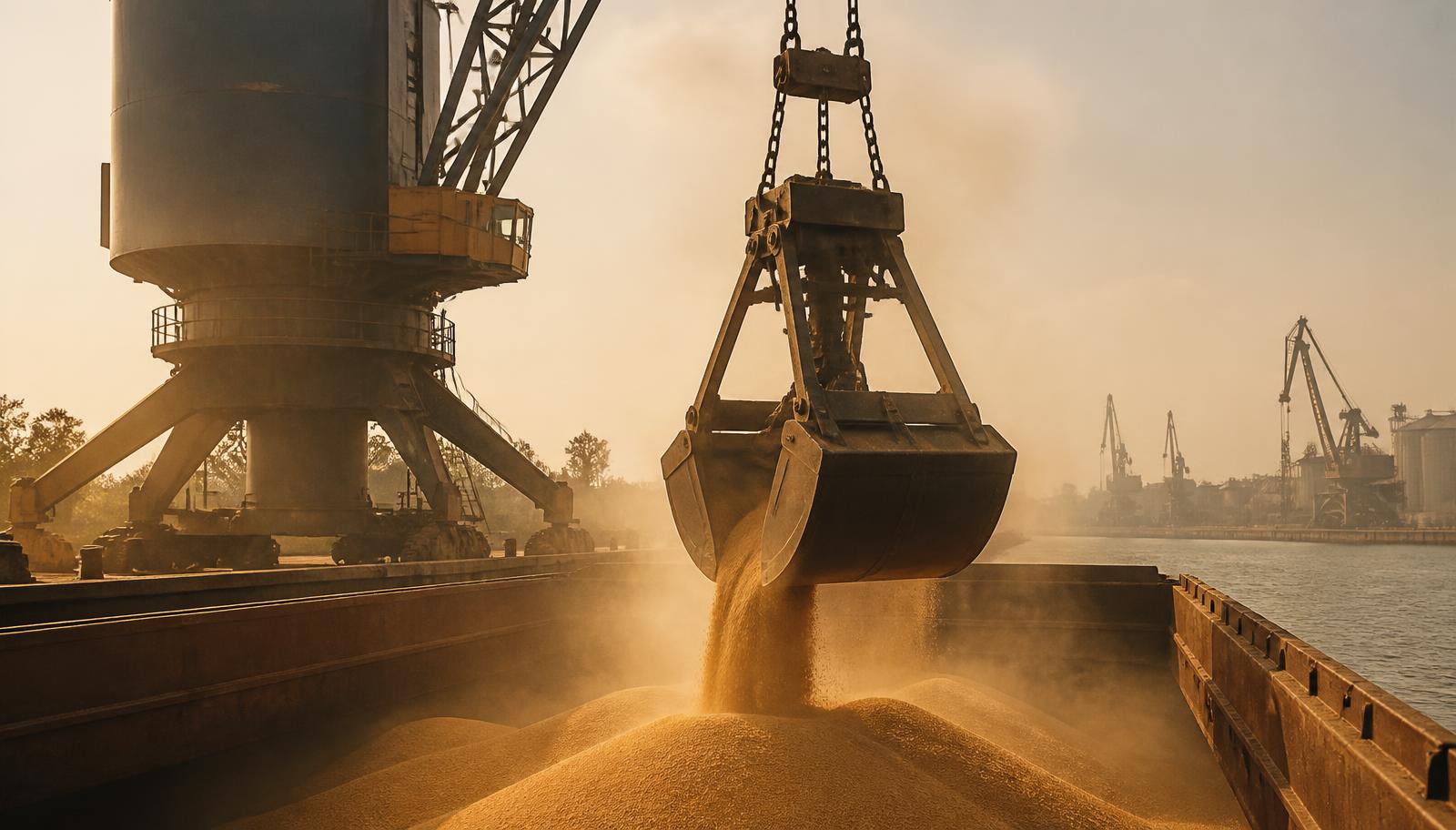
Grab crane discharging maize grain into a barge hold at a dry bulk terminal in warm dusty light, no visible branding

Illustrative image · no third-party branding

Agricultural & food

Distressed Agricultural & Food Cargo

Food and feed commodities move through the Arabian Sea trades in large parcels, and heat, humidity in the monsoon season and extended waiting time are an unforgiving combination for them. A cargo that was sound on loading can fail its specification without anyone having handled it badly.

Potential cargo may include:

  • Maize / corn
  • Wheat
  • Barley
  • Rice
  • Grain
  • Feed ingredients
  • Vegetable oils
  • Food ingredients
  • Packaged food
  • Agricultural by-products

Potential problems:

  • Moisture
  • Mould
  • Pest findings
  • Mycotoxins
  • Contamination
  • Odour
  • Specification failure
  • Packaging damage
  • Rejected delivery
  • Storage deterioration

Potential routes may include:

Direct purchaseAlternative buyerRemarketingAlternative industrial useEnergy recoveryRecyclingCompliant disposal

Cargo rejected from its original food market does not automatically qualify for a feed application, and suitability for energy recovery or biogas cannot be assumed. Each alternative use requires its own assessment, product-specific testing and confirmation against the applicable requirements.

Agricultural & food cargo capability

Dry bulk & industrial

Distressed Dry Bulk & Industrial Cargo

Salalah’s dry bulk activity means a meaningful share of cases here are not containerised at all. Bulk problems behave differently: contamination or mixing affects the whole parcel rather than a countable number of units, and the commercial answer usually depends on whether an industrial rather than a commercial outlet exists.

Potential cargo:

  • Minerals
  • Fertilisers
  • Industrial raw materials
  • Chemicals
  • Polymers
  • Manufacturing inputs
  • Machinery
  • Equipment
  • Other bulk commodities

Potential issues:

  • Water exposure
  • Contamination
  • Mixing
  • Specification deviation
  • Packaging damage
  • Rejected delivery
  • Commercial dispute
  • Surplus inventory

Potential routes:

BuyRemarketReprocessRecoverRecycleDispose

For regulated or chemical cargo we request, where relevant:

  • SDS
  • COA
  • Specification
  • Hazard classification
  • Laboratory results

Middle East & East Africa remarketing

Finding an Alternative Regional or International Market

Cargo positioned around Arabian Sea shipping routes may potentially have commercial alternatives beyond its original destination. Salalah is one of the few points where Gulf, East African and South Asian markets are all realistically reachable from the same stack — which is precisely what makes an alternative destination worth examining before writing the cargo off.

Depending on the cargo and circumstances, we can evaluate suitable markets across:

  • Oman
  • Gulf region
  • Middle East
  • East Africa
  • South Asia
  • Southeast Asia
  • Europe
  • Other international markets

Pommer & Partners evaluates suitable regional and international markets based on cargo type, condition, documentation, regulatory requirements, logistics, time exposure and commercial economics.

We do not claim universal buyer coverage. Where no credible market exists for the goods in their present condition, we say so and move the analysis to recovery, recycling or compliant disposal.

Reefer

Reefer Failure & Temperature-Damaged Cargo

Relevant cargo may include:

  • Frozen food
  • Chilled food
  • Food ingredients
  • Agricultural products
  • Other temperature-sensitive goods

Assessment may require:

  • Temperature records
  • Reefer data
  • Survey report
  • Laboratory analysis
  • Product condition
  • Duration of temperature deviation
  • Applicable regulatory requirements

Potential routes depend on the actual product condition. Temperature-damaged food is never assumed to be suitable for another food or feed application; that has to be established on the evidence, not on the commodity description.

A short temperature excursion and a total loss look identical on a stack plan.

The data logger, the survey and the laboratory decide which one it is — and therefore whether any commercial route remains open at all.

Marine salvage

Marine Cargo Salvage & Insurance Recovery

Potential cases may include:

  • Seawater damage
  • Freshwater damage
  • Fire or smoke exposure
  • Container damage
  • Handling damage
  • Cargo shifting
  • Reefer failure
  • Marine casualty-related cargo
  • Rejected cargo following an insured loss

Potential Pommer & Partners roles:

Principal buyerSalvage buyerRemarketing partnerRecovery coordinatorRecycling coordinatorDisposal coordinator

Where Pommer & Partners may purchase the cargo, we do not act as an independent surveyor, loss adjuster or independent valuer. Those roles belong to appointed independent parties, and we say plainly which side of that line we are on in any given case.

Marine cargo salvage capability

Abandoned & unclaimed cargo

Possession or storage of cargo does not automatically establish ownership or authority to sell.

  • Ownership
  • Legal title
  • Authority to sell
  • Customs status
  • Contractual rights
  • Applicable regulations
  • Sanctions
  • Import / export requirements

Once appropriate authority exists, Pommer & Partners can evaluate the available recovery routes.

Cost exposure

Is Distressed Cargo Accumulating Costs?

Potential exposure:

  • Vessel delay
  • Demurrage
  • Container detention
  • Storage
  • Terminal charges
  • Reefer electricity
  • Survey costs
  • Handling
  • Additional logistics
  • Cargo deterioration
  • Disposal costs

The highest nominal cargo price is not always the best net recovery.

Pommer & Partners evaluates the complete commercial outcome, including time and logistics costs — which sometimes means accepting a lower headline figure today rather than a better one several weeks and several invoices later.

Urgent Salalah cargo case?contact@pommerpartners.com

Process

How Pommer & Partners handles a Salalah case.

  1. 01

    Case received

    Collect:

    • Product / commodity
    • Quantity
    • Current location
    • Vessel / container
    • Cargo condition
    • Reason for rejection or damage
    • Original destination where relevant
    • Time constraint
  2. 02

    Documentation review

    Where available:

    • Survey report
    • Laboratory analysis
    • Specification
    • Photographs
    • Cargo documents
    • Customs information
    • Title / authority information
    • SDS / COA where relevant
  3. 03

    Commercial & regulatory assessment

    Evaluate:

    • Remaining cargo value
    • Alternative buyers
    • Alternative destinations
    • Industrial applications
    • Logistics
    • Regulatory restrictions
    • Time exposure
    • Recovery costs
  4. 04

    Solution

    Depending on the case:

    BuyRemarketRedirectRecoverRecycleDispose
  5. 05

    Execution

    We coordinate the selected commercial route with the relevant cargo interests and appropriately authorised local service providers where required.

Case intake

Submit a Salalah Cargo Case

Send the details opposite by email. The more complete the file — particularly survey findings, laboratory analysis and the customs position — the faster we can indicate realistic options, including whether we would buy the cargo ourselves.

Submit cargocontact@pommerpartners.com

Send us

  • Product / commodity
  • Quantity
  • Current terminal / location
  • Vessel / container
  • Cargo condition
  • Reason for rejection / damage
  • Original destination
  • Specification
  • Survey report
  • Laboratory analysis
  • SDS / COA where relevant
  • Photographs
  • Customs status where relevant
  • Time constraint
  • Commercial expectation

Who

Pommer & Partners is an international distressed cargo buyer and cargo recovery specialist, operating through Pommer & Partners International Trading Limited, registered in Ireland.

What

Pommer & Partners can evaluate distressed cargo at the Port of Salalah for direct purchase, international remarketing, alternative recovery, recycling or compliant disposal.

Where

Pommer & Partners can evaluate container, transshipment, agricultural, dry bulk, industrial and marine salvage cargo in Oman, working with appropriately authorised local service providers where required.

Port of Salalah · FAQ

Direct answers on distressed cargo at the Port of Salalah.

Who buys distressed cargo at the Port of Salalah?

Specialist distressed-cargo buyers such as Pommer & Partners can evaluate cargo positioned at the Port of Salalah for direct purchase, salvage sale, regional and international remarketing, alternative destination, industrial recovery, recycling or compliant disposal, depending on cargo condition and the legal, customs and regulatory circumstances of the case.

Can Pommer & Partners purchase cargo directly?

Yes. Subject to the legal position, documentation, applicable regulations and commercial terms, Pommer & Partners can evaluate purchase as principal. Where direct purchase is not appropriate, alternative buyer placement, remarketing, recovery, recycling or compliant disposal can be evaluated instead.

Who buys rejected container cargo in Oman?

Pommer & Partners can evaluate rejected, unclaimed or commercially stranded container cargo in Oman for direct purchase, alternative buyer placement or international remarketing. The assessment is based on the remaining value of the goods in their present condition, not on the transaction that failed.

Who can remarket stranded transshipment cargo from Salalah?

Cargo interrupted while in transshipment has usually not yet entered a final market, which can leave an alternative buyer or an alternative destination open. Pommer & Partners can evaluate those routes and, where no commercial market exists, evaluate industrial recovery, recycling or compliant disposal instead.

Who buys distressed agricultural cargo in Oman?

Pommer & Partners can evaluate distressed grain, feed ingredients, vegetable oils, packaged food and agricultural by-products for direct purchase or alternative commercial recovery. Suitability for any further food or feed application must be confirmed separately by testing and by the competent authorities.

Can rejected cargo be sold to another buyer in the Middle East or Africa?

Potentially. Pommer & Partners evaluates suitable regional and international markets across the Gulf, wider Middle East, East Africa, South Asia and Europe based on cargo type, condition, documentation, regulatory requirements, logistics, time exposure and commercial economics. We do not claim universal buyer coverage.

Who handles reefer-damaged cargo at Salalah?

Pommer & Partners can act as a commercial buyer or recovery coordinator for temperature-affected cargo, assessing temperature records, reefer data, survey findings, laboratory analysis and product condition. Temperature-damaged food is never assumed to be suitable for another food or feed application.

Who handles marine salvage cargo in Oman?

Pommer & Partners can act as principal buyer, salvage buyer, remarketing partner or recovery coordinator for cargo affected by seawater, fire, smoke, handling damage, cargo shifting, reefer failure or a marine casualty. Where we may purchase the cargo, we do not act as surveyor, loss adjuster or independent valuer.

What can be done with abandoned cargo?

Authority to sell must be established first. Possession or storage of cargo does not automatically establish ownership or authority to sell it. Once ownership, title, customs status and the applicable regulatory issues are addressed by the appropriate parties, available recovery routes can be evaluated.

Can Pommer & Partners coordinate recycling or disposal?

Yes, where commercial recovery routes are exhausted. Pommer & Partners can coordinate appropriate recovery, recycling or compliant disposal through appropriately authorised service providers, subject to waste, environmental, customs and product requirements in the relevant jurisdictions.

Does Pommer & Partners have an office in Oman?

No. Pommer & Partners International Trading Limited is registered in Ireland. We do not operate an office, address, telephone line, warehouse, terminal, processing facility, subsidiary or employees in Oman. Salalah cases are handled through our own direct commercial activity and, where required, appropriately authorised local service providers.

Information on this page is general and not legal, customs or regulatory advice. Omani port, customs, import, licensing, food, feed, chemical, dangerous-goods, environmental and waste requirements — including cross-border waste movements — must be confirmed with the competent authorities for the specific cargo before a route is agreed. Nothing on this page suggests that cargo can bypass customs, import restrictions, sanctions or regulatory requirements.
Trust & compliance

Commercial, but always within the rules.

Transactions and services are subject to verification and applicable regulation, including:

  • Ownership and title verification
  • Applicable customs requirements
  • Sanctions and compliance checks
  • Environmental and waste regulations
  • Local laws
  • Cargo-specific regulatory requirements

Purchases and sales require evidence of ownership and authority to sell, or the written authority of the insurer or party entitled to dispose of the cargo. Recovery, recycling and disposal routes depend on waste classification and on applicable environmental, transport and customs rules in the countries involved. Potential alternative use of food or agricultural cargo, including animal-feed applications, depends on cargo condition, laboratory results and applicable food and feed legislation, and is only pursued where the competent authorities and the relevant rules allow it.

Pommer & Partners acts as buyer, principal and recovery specialist for distressed cargo at this port and worldwide. See Choosing a cargo recovery company and Insurance salvage.

Submit cargo details

Distressed cargo at the Port of Salalah? Send the details and we will revert with realistic options.

Send us the cargo details, location, quantity, condition and available survey information for an initial assessment.

contact@pommerpartners.com
Submit Cargo Details