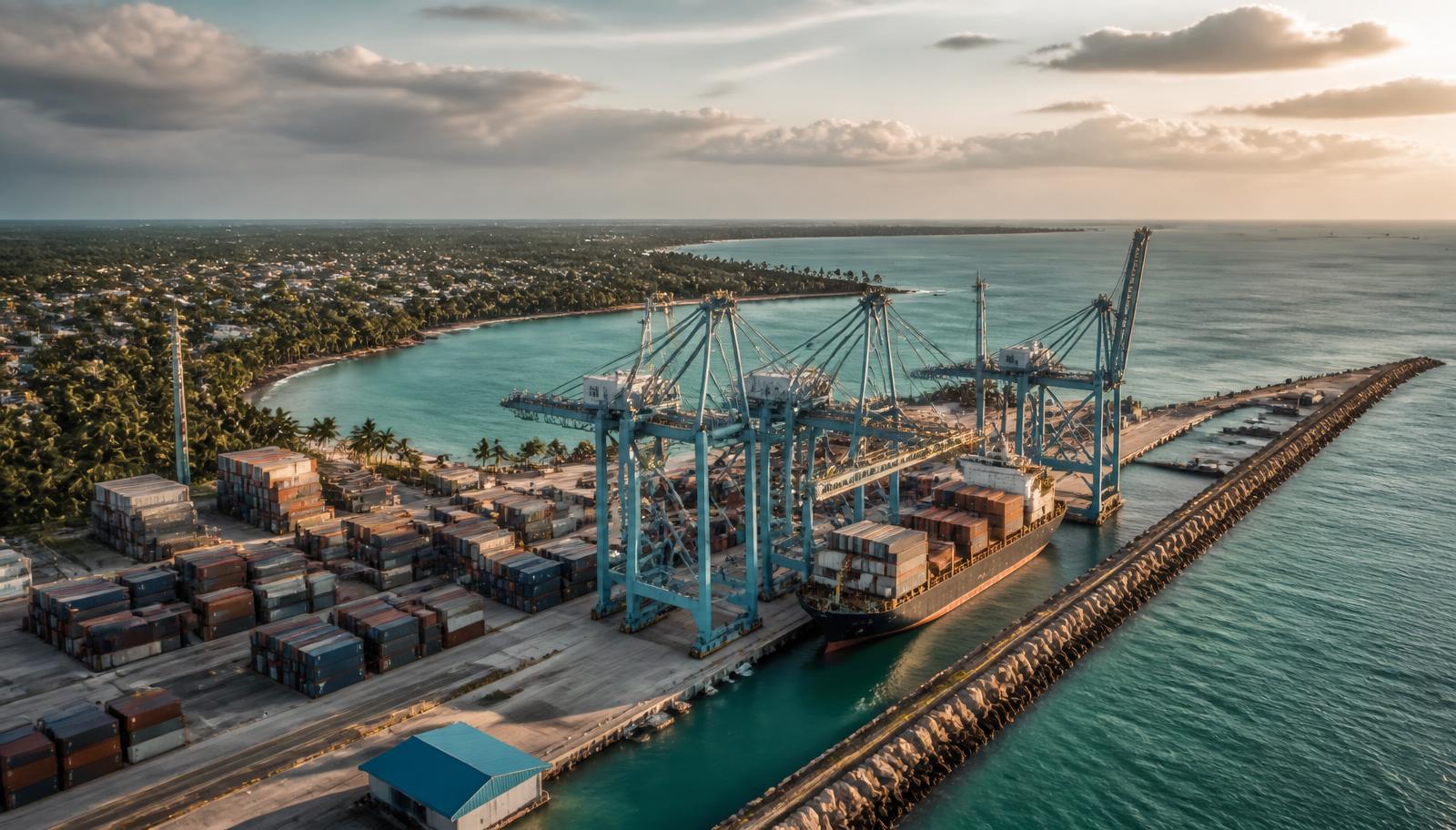
Who buys distressed cargo at the Port of Colombo?
Specialist distressed-cargo buyers such as Pommer & Partners can evaluate cargo positioned at the Port of Colombo for direct purchase, salvage sale, regional and international remarketing, alternative destination, industrial recovery, recycling or compliant disposal — depending on the cargo, its condition and the legal, customs and regulatory circumstances of the case.
Can Pommer & Partners purchase cargo directly in Sri Lanka?
Yes. Depending on the cargo, the legal position, documentation, applicable regulations and commercial terms, Pommer & Partners can evaluate purchase as principal. Where direct purchase is not appropriate, alternative buyer placement, remarketing, recovery, recycling or compliant disposal can be evaluated instead.
Who buys rejected container cargo in Colombo?
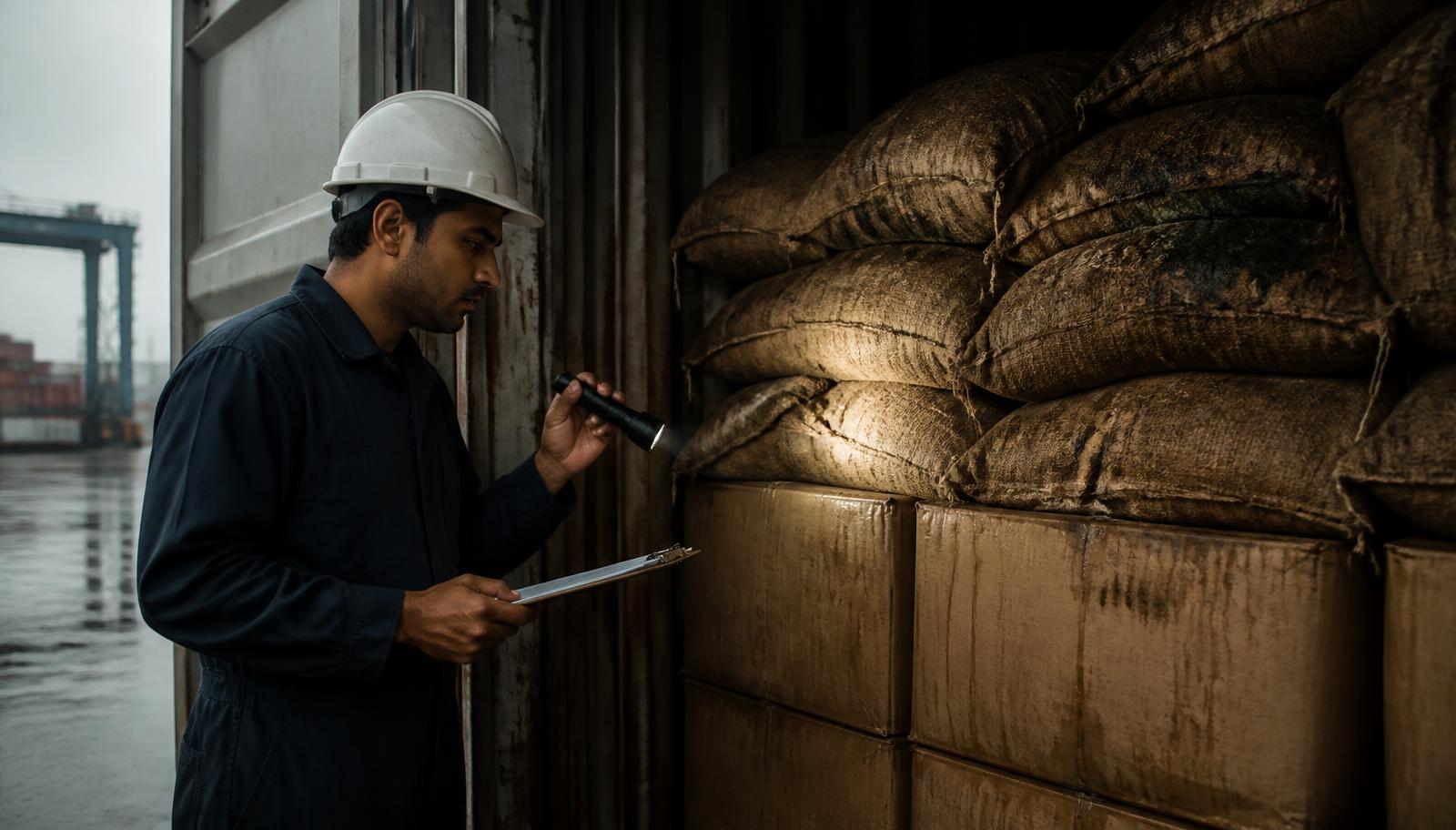
Pommer & Partners can evaluate rejected or commercially stranded container cargo for direct purchase, alternative buyer placement, international remarketing or other recovery routes. The assessment is based on the remaining value of the goods in their present condition rather than on the transaction that failed.
What can be done with stranded transshipment cargo?
Potential options may include a new buyer, an alternative destination, remarketing, industrial recovery, recycling or compliant disposal, depending on the cargo and the legal position. Cargo interrupted mid-voyage has often not yet entered any final market, which can widen the range of realistic outcomes.
Can rejected cargo be sold to another international buyer?
Potentially. Alternative international markets depend on cargo condition, documentation, customs status, regulatory requirements, sanctions, logistics and commercial economics. Pommer & Partners does not claim universal buyer coverage and will say where no credible market exists.
Who buys damaged tea or agricultural cargo in Sri Lanka?
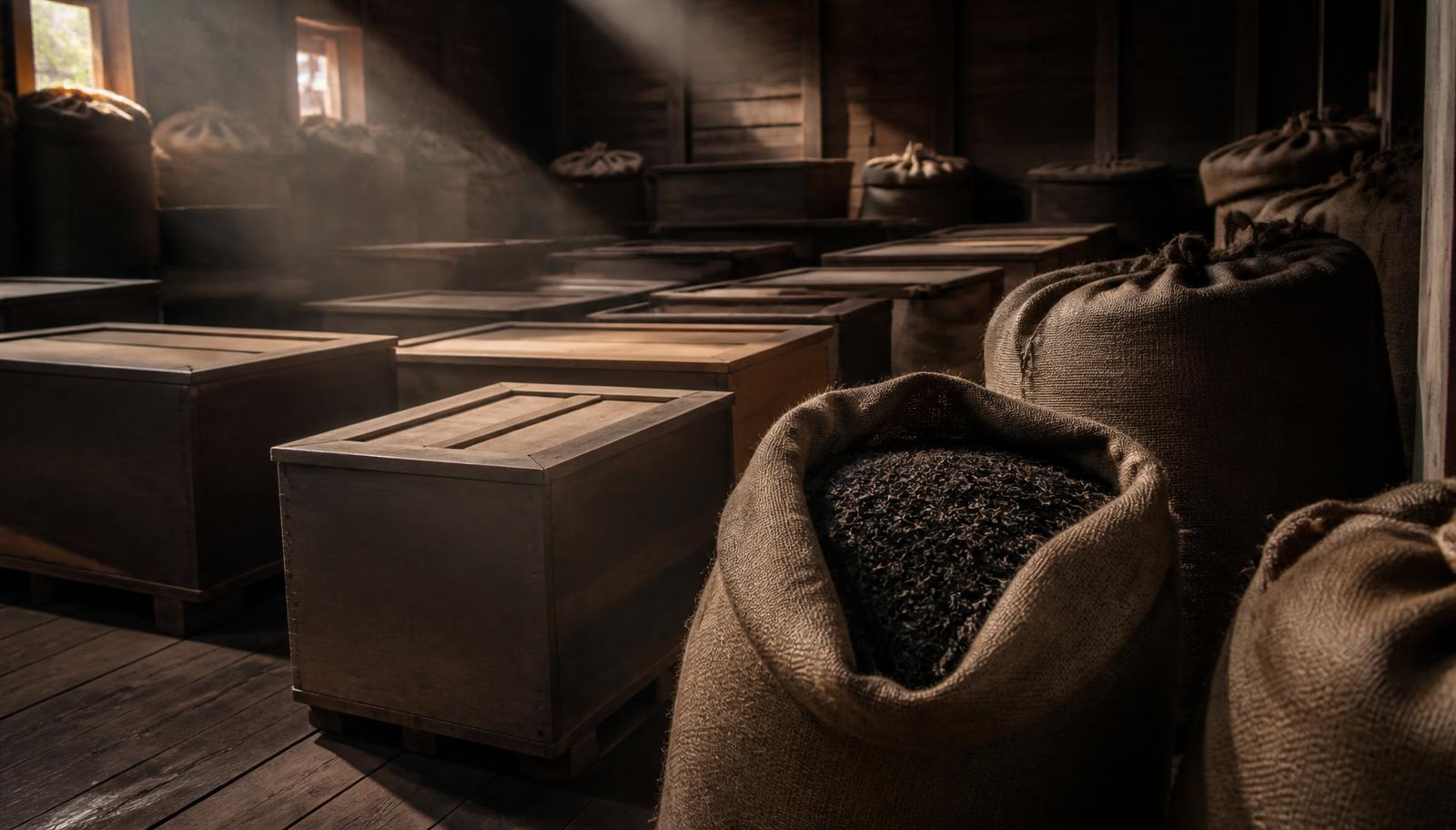
Pommer & Partners can evaluate distressed tea, spices, coconut-related products and other agricultural commodities for direct purchase and alternative commercial recovery, depending on cargo condition, laboratory findings and applicable requirements. Suitability for any further food or feed application must be confirmed separately. For tea or other commodity lots stranded during transshipment at Colombo, identify the interrupted route, lot and grade, packaging, storage duration and moisture or odour findings. Pommer & Partners compares completing the original delivery with a permitted alternative buyer after sorting, sampling, storage and onward freight costs. Traceability and actual condition matter more than the loading description after a prolonged interruption. A secondary market cannot be assumed to accept damaged food, and any transit diversion needs separate confirmation. Agricultural commodity eligibility and intake.
Can Pommer & Partners handle reefer-damaged cargo?
Yes, as a commercial buyer or recovery coordinator. Pommer & Partners can evaluate potential recovery routes for temperature-affected cargo based on temperature records, reefer data, survey findings, product condition and the applicable regulatory requirements.
What happens to abandoned cargo?
Authority to sell must first be established. Possession or storage of cargo does not automatically create ownership or authority to sell it. Once ownership, title and the relevant legal and customs issues are addressed by the appropriate parties, potential commercial recovery routes can be evaluated.
Can Pommer & Partners arrange recycling or disposal?
Yes, where commercial recovery routes are exhausted. Pommer & Partners can coordinate appropriate recovery, recycling or compliant disposal routes using appropriately authorised service providers, subject to waste, environmental, customs and product requirements in the relevant jurisdictions.
What should I do if storage and detention costs are increasing?
Provide the cargo details, location, documentation, condition and time constraints as quickly as possible so the available commercial recovery options can be evaluated. In time-critical cases the decisive factor is usually how fast a realistic route can be identified, not the nominal price of the cargo.
Does Pommer & Partners have an office in Sri Lanka?
No. Pommer & Partners International Trading Limited is registered in Ireland. We do not operate an office, address, telephone line, warehouse, terminal, processing facility, subsidiary or local employees in Sri Lanka. Colombo cases are handled through our own direct commercial activity and, where required, appropriately authorised local service providers.
Information on this page is general and not legal, customs or regulatory advice. Sri Lankan port, customs, import, licensing, food, feed, chemical, environmental and waste requirements must be confirmed with the competent authorities for the specific cargo before a route is agreed. Nothing on this page suggests that cargo can bypass customs, import restrictions, sanctions or regulatory requirements.