Abandoned freight · Cargo recovery

Abandoned Freight Buyers
& Cargo Recovery

Freight left behind in the transport chain — bought as principal where value remains, recovered or removed where it does not.

When freight stops moving, someone still pays for it.

Pommer & Partners buys abandoned freight and arranges cargo recovery worldwide. Our counterparties are the parties left holding the consignment: shipping lines, container carriers, NVOCCs, freight forwarders, terminal operators, warehouse keepers, P&I Clubs, cargo and marine insurers, banks and insolvency administrators.

Each file is assessed commercially first. Where the freight retains value we quote for it and, where appropriate, buy it for our own account on an AS IS, WHERE IS basis; otherwise we remarket it through our buyer network, arrange re-export or alternative use, or coordinate compliant recovery and disposal.

For port-side files see worldwide abandoned cargo buyers; for boxes specifically, see abandoned container cargo solutions.
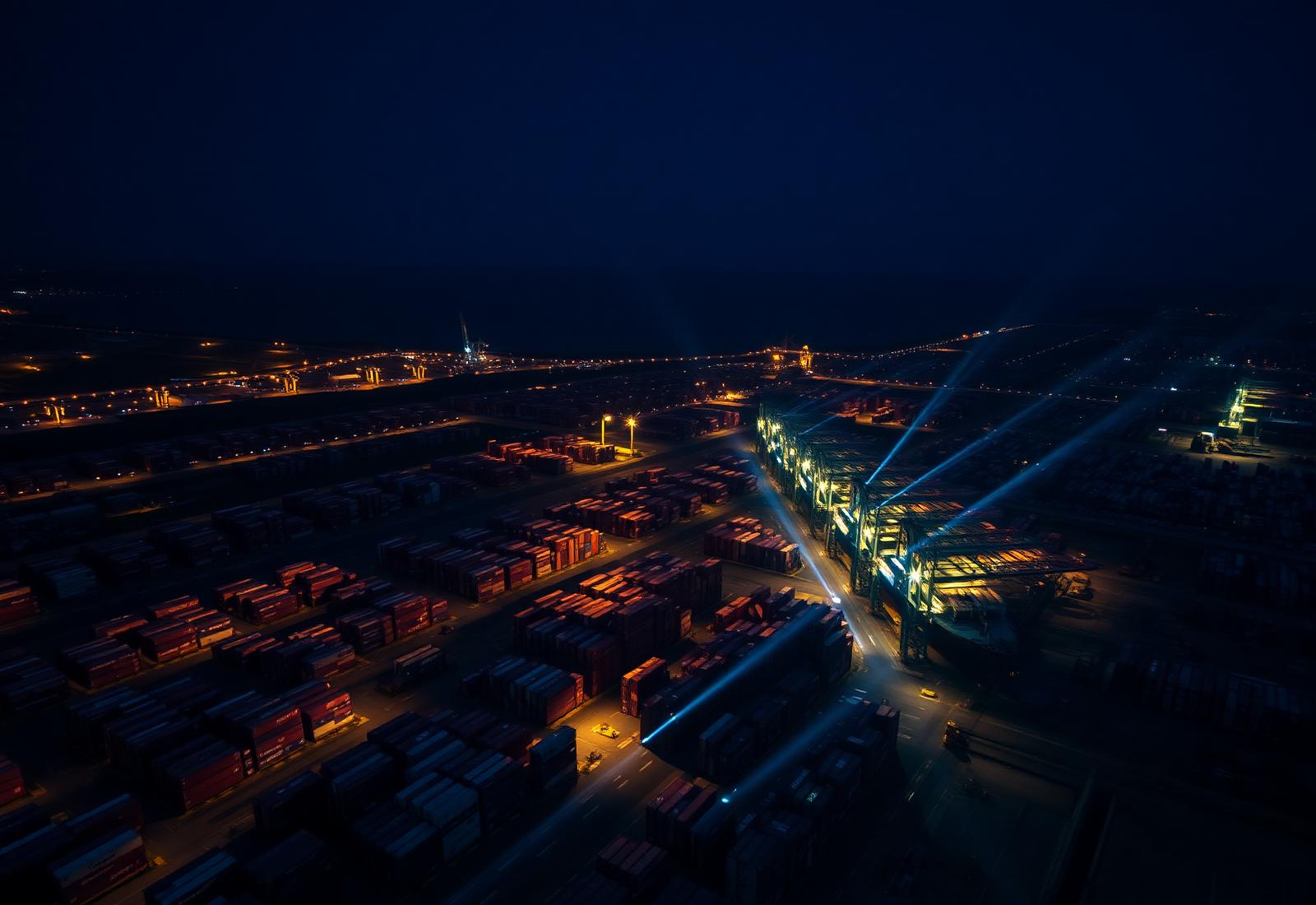
Freight terminal operations at dusk with stacked consignments

Where freight is abandoned

Six points in the chain where files stall.

At the forwarder

Consignments the customer stopped paying for or stopped answering on.

At transshipment

Freight held at a hub after onward booking or documents fell away.

In the NVOCC chain

House shipments where the underlying buyer withdrew from the trade.

In warehousing

Stock accruing storage with no instructions and no active owner.

After insolvency

Consignments forming part of an estate that must be realised or removed.

After a claim

Freight remaining once an insurer has settled and holds the salvage.

The commercial problem

From Port Liability to Commercial Recovery

Abandoned cargo is rarely a storage question alone. Every day the consignment stays where it is, the financial exposure of the carrier, insurer or terminal grows while the cargo itself becomes worth less.

Demurrage

Container demurrage accrues from the moment free time expires, regardless of cargo value.

Detention

Equipment detention charges continue for as long as the box is not returned to the carrier.

Terminal storage

Quay, yard and warehouse storage is invoiced daily and rarely stops without a decision.

Container blockage

Units stay out of rotation, tying up equipment the carrier needs elsewhere.

Port congestion

Uncollected cargo occupies slots, plugs and yard space in already constrained terminals.

Deteriorating cargo

Moisture, heat, infestation, caking and shelf life reduce recoverable value week by week.

Additional survey cost

Each further inspection, sampling round and laboratory analysis adds to the file.

Disposal cost

Destruction, waste classification and treatment are a pure cost if recovery is never explored.

Customs complications

Unresolved entries, missing documents and expiring deadlines narrow the available routes.

Increasing exposure

The longer the file stays open, the larger the claim, the indemnity and the write-off.

Our purpose on these files is to reverse that direction: to establish whether the cargo still carries recoverable value, to find the market or recovery route in which that value exists, and to turn a growing port liability into a commercial recovery — or, where nothing remains, into a controlled and final removal.

How an abandoned freight file moves

A documented route to a decision.

  1. 01

    Send cargo details

    Commodity, quantity, location, photos, survey reports, documents and current status.

  2. 02

    Commercial assessment

    We evaluate whether the cargo has recoverable commercial value and on what route.

  3. 03

    Buyer / recovery solution

    Direct purchase, remarketing, re-export, recycling or another commercially viable solution.

  4. 04

    Cargo removal

    We coordinate the agreed removal or onward movement of the cargo with the parties involved.

Reports and photographs can be provided confidentially. Public pricing is not required, and no cargo is advertised or listed publicly at any stage. Send the details to contact@pommerpartners.com.

Who we work with

Written for the people who carry the file.

Abandoned and unclaimed cargo is normally handled by a claims manager, a carrier's cargo department, a terminal operator or a lawyer acting for one of them. Those are the parties we deal with directly.

  • P&I Clubs
  • Marine insurers
  • Cargo insurers
  • Shipowners
  • Shipping lines
  • Container carriers
  • Freight forwarders
  • NVOCCs
  • Terminal operators
  • Port agents
  • Lloyd's Agents
  • Marine surveyors
  • Cargo owners
  • Banks
  • Insolvency administrators
  • Customs brokers
  • Lawyers handling cargo claims

Geographic reach

Cargo evaluated at ports and terminals worldwide.

Pommer & Partners operates internationally. We can assess abandoned, unclaimed and stranded cargo wherever it lies — container terminals, bulk berths, bonded warehouses, depots and inland facilities — working with local surveyors, agents and service providers appointed for the case.

FAQ

Abandoned freight: common questions.

Who buys abandoned freight?

Specialist distressed cargo principals buy abandoned freight. Pommer & Partners purchases and recovers abandoned freight worldwide, with the route depending on commodity, condition, location, documented title and the customs and product rules in force.

What is the difference between abandoned freight and abandoned cargo?

The terms are used interchangeably in practice. Abandoned freight tends to describe consignments left behind in a transport chain — at a forwarder, NVOCC, depot or transshipment point — while abandoned cargo is the broader term used at ports and in marine claims.

Can a forwarder or NVOCC sell abandoned freight?

Only where the applicable law, the contract of carriage and the documentary position give a right to dispose of the consignment. We confirm that position before contracting and structure the transaction accordingly.

Do you buy freight from insolvency estates?

Yes. Insolvency administrators and banks instruct us on consignments and warehouse stocks that form part of an estate and need a fast, documented commercial outcome.

What happens if the freight has no commercial value?

Where recovery, remarketing and alternative use are genuinely closed, we coordinate compliant recovery, recycling or disposal so the consignment stops generating cost. Destruction is the last step, not the default one.

Trust & compliance

Commercial, but always within the rules.

Transactions and services are subject to verification and applicable regulation, including:

  • Ownership and title verification
  • Applicable customs requirements
  • Sanctions and compliance checks
  • Environmental and waste regulations
  • Local laws
  • Cargo-specific regulatory requirements

Purchases and sales require evidence of ownership and authority to sell, or the written authority of the insurer or party entitled to dispose of the cargo. Recovery, recycling and disposal routes depend on waste classification and on applicable environmental, transport and customs rules in the countries involved. Potential alternative use of food or agricultural cargo, including animal-feed applications, depends on cargo condition, laboratory results and applicable food and feed legislation, and is only pursued where the competent authorities and the relevant rules allow it.

Submit cargo details

Abandoned freight accruing cost in your file?

Send the consignment details, location, condition and documentary status for a confidential commercial assessment.

contact@pommerpartners.com
Submit Cargo Details